Smartwatch
Smartwatch is a wearable computing device that closely resembles a wristwatch or other time-keeping device. In addition to telling time, smartwatches are Bluetooth-capable. The first smartwatches provided users with notifications of calls and text messages. Today's smartwatches have built-in fitness trackers and even allow you to pay for purchases.
History[edit]
The concept of the smartwatch goes back to the 1970s. The first digital watch, which debuted in 1972, was the Pulsar manufactured by Hamilton Watch Company. "Pulsar" became a brand name which would later be acquired by Seiko in 1978. In 1982, a Pulsar watch (NL C01) was released which could store 24 digits, making it most likely the first watch with user-programmable memory, or "memorybank" watch.
Features[edit]
Smartwatches are digital watches that do much more than your old analog time tracking device. We're not talking about that once-amazing calculator watch that you used to wear in elementary school. These are full-fledged digital tools.
Operating System[edit]
Most of the smartwatches in the market use a proprietary operating system. However, some companies, like Sony, use Android Wear, Google's operating system for wearables. Android Wear supports voice commands and integration with Google Now, the company's digital assistant.
Applications[edit]
Smartwatches can run apps and play back all sorts of digital media, like radio stations or TV stations. Also, many smartwatches have built-in fitness features, such as a heart rate sensor and GPS.
See Also[edit]
References[edit]

This WikiMD article can only be edited by registered and verified editors. You can log in or register.
Smartwatch[edit]
-
Samsung Galaxy Watch
-
Seiko Data-2000, The First Computer Watch, Circa 1983-1984, LCD Watch with Docking Station
-
Timex Datalink Model 150
-
Steve Mann Wrist Computer
-
SONY SmartWatch 2
-
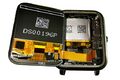 Amazfit Bip Inside
 -
Samsung Gear 2
-
HOT Watch Smart Watch from Kickstarter
-
HOT Watch Directional Speaker and Microphone Module
-
Smartwatch
-
Samsung Galaxy Watches
-
Samsung Gear 2


Medical Disclaimer: WikiMD is for informational purposes only and is not a substitute for professional medical advice. Content may be inaccurate or outdated and should not be used for diagnosis or treatment. Always consult your healthcare provider for medical decisions. Verify information with trusted sources such as CDC.gov and NIH.gov. By using this site, you agree that WikiMD is not liable for any outcomes related to its content. See full disclaimer.
Credits:Most images are courtesy of Wikimedia commons, and templates, categories Wikipedia, licensed under CC BY SA or similar.
Translate page: - East Asian
中文,
日本,
한국어,
South Asian
हिन्दी,
தமிழ்,
తెలుగు,
Urdu,
ಕನ್ನಡ,
Southeast Asian
Indonesian,
Vietnamese,
Thai,
မြန်မာဘာသာ,
বাংলা
European
español,
Deutsch,
français,
Greek,
português do Brasil,
polski,
română,
русский,
Nederlands,
norsk,
svenska,
suomi,
Italian
Middle Eastern & African
عربى,
Turkish,
Persian,
Hebrew,
Afrikaans,
isiZulu,
Kiswahili,
Other
Bulgarian,
Hungarian,
Czech,
Swedish,
മലയാളം,
मराठी,
ਪੰਜਾਬੀ,
ગુજરાતી,
Portuguese,
Ukrainian


.jpg)


