Simian immunodeficiency virus
Simian Immunodeficiency Virus (SIV) is a virus that causes immunodeficiency in primates, closely related to the Human Immunodeficiency Virus (HIV) found in humans. SIV infects host cells by entering through CD4 receptors before integrating its genetic material into the host's DNA, a process similar to HIV. This virus is considered a crucial model for understanding HIV infection and the development of AIDS in humans.
Origin and Evolution[edit]
SIV is believed to have originated from a transfer of the virus from non-human primates to humans, leading to the evolution of HIV. Studies suggest that SIV has been present in non-human primates for thousands of years, allowing for co-evolution between the virus and its hosts. This long-term relationship has enabled some primate species to develop a degree of resistance to AIDS-like symptoms, despite being infected with SIV.
Transmission[edit]
SIV is primarily transmitted through direct contact with bodily fluids, such as blood, which can occur during aggressive interactions or mating. In some primate species, vertical transmission from mother to offspring can also occur. The similarity in transmission methods between SIV and HIV highlights the importance of studying SIV to understand the spread of HIV among humans.
Species Affected[edit]
SIV infects a variety of primate species across Africa, including chimpanzees, gorillas, and mandrills. Each species is typically infected by a specific strain of the virus, known as SIVcpz, SIVgor, and SIVmnd, respectively. The diversity of SIV strains across different primate species provides valuable insights into the virus's adaptability and evolution.
Clinical Signs and Diagnosis[edit]
Infected primates may exhibit a range of clinical signs, from asymptomatic to severe immunodeficiency, depending on the species and the specific SIV strain. Diagnosis of SIV infection is primarily based on the detection of antibodies against the virus or the presence of viral RNA in the blood.
Research and Implications for HIV[edit]
Research on SIV has significantly contributed to the understanding of HIV, particularly in the development of antiretroviral therapies and potential vaccines. Studies on the natural resistance of some primates to AIDS-like symptoms have also provided insights into potential therapeutic approaches for HIV in humans.
Prevention and Control[edit]
Efforts to prevent SIV transmission among non-human primates focus on minimizing aggressive interactions and managing breeding programs in captivity. However, the primary importance of SIV prevention and control lies in its relevance to HIV research, emphasizing the need for continued study and understanding of this virus.
 | This virus-related article is a stub. You can help WikiMD by expanding the page. |
-
 3D model of a Simian Immunodeficiency Virus (SIV) virion
 -
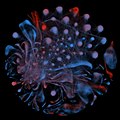 Mapping SHIV infection in the body, 2018 - Wellcome Photography Prize 2019

.jpg)

Medical Disclaimer: WikiMD is for informational purposes only and is not a substitute for professional medical advice. Content may be inaccurate or outdated and should not be used for diagnosis or treatment. Always consult your healthcare provider for medical decisions. Verify information with trusted sources such as CDC.gov and NIH.gov. By using this site, you agree that WikiMD is not liable for any outcomes related to its content. See full disclaimer.
Credits:Most images are courtesy of Wikimedia commons, and templates, categories Wikipedia, licensed under CC BY SA or similar.
Translate page: - East Asian
中文,
日本,
한국어,
South Asian
हिन्दी,
தமிழ்,
తెలుగు,
Urdu,
ಕನ್ನಡ,
Southeast Asian
Indonesian,
Vietnamese,
Thai,
မြန်မာဘာသာ,
বাংলা
European
español,
Deutsch,
français,
Greek,
português do Brasil,
polski,
română,
русский,
Nederlands,
norsk,
svenska,
suomi,
Italian
Middle Eastern & African
عربى,
Turkish,
Persian,
Hebrew,
Afrikaans,
isiZulu,
Kiswahili,
Other
Bulgarian,
Hungarian,
Czech,
Swedish,
മലയാളം,
मराठी,
ਪੰਜਾਬੀ,
ગુજરાતી,
Portuguese,
Ukrainian

