Silvaner
Silvaner[edit]
Silvaner is a type of white grape variety that is primarily grown in Germany. It is known for its neutral taste and is often used to produce wines that are light in body and low in acidity.
History[edit]
The Silvaner grape is believed to have originated in Transylvania and was brought to Germany in the 17th century. It quickly became popular and by the 19th century, it was the most widely planted grape variety in Germany. However, its popularity has declined in recent years and it is now the third most planted grape in the country.
Characteristics[edit]
Silvaner grapes are large and have a thick skin, which makes them resistant to disease and pests. They ripen early and produce wines that are light in color, with a neutral taste and low acidity. The wines are often described as having a subtle flavor, with notes of apple, pear, and grass.
Regions[edit]
Silvaner is primarily grown in the Rheinhessen and Franconia regions of Germany. It is also grown in the Alsace region of France, where it is known as Sylvaner, and in the Alto Adige region of Italy.
Wine Styles[edit]
The style of Silvaner wine can vary greatly depending on the region and the winemaking techniques used. In Germany, it is often used to produce dry, light-bodied wines that are served with food. In the Alsace region of France, it is used to produce sweet, dessert wines.
Food Pairing[edit]
Silvaner wines are versatile and can be paired with a variety of foods. They are often served with seafood, poultry, and salads. In Germany, they are traditionally served with asparagus during the spring season.
See Also[edit]
References[edit]
- Robinson, Jancis (2006). The Oxford Companion to Wine. Oxford University Press.
- Johnson, Hugh (2013). The World Atlas of Wine. Mitchell Beazley.
External Links[edit]
-
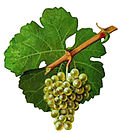 Silvaner
 -
 Silvaner grapes
 -
 Vino Zeleni silvanac (Štrigova)
 -
 Wirsching Silvaner Kabinett 2007
 -
 Schwarzer Silvaner Weinsberg
 -
 Franken Silvaner in Bocksbeutel


.jpg)


Medical Disclaimer: WikiMD is for informational purposes only and is not a substitute for professional medical advice. Content may be inaccurate or outdated and should not be used for diagnosis or treatment. Always consult your healthcare provider for medical decisions. Verify information with trusted sources such as CDC.gov and NIH.gov. By using this site, you agree that WikiMD is not liable for any outcomes related to its content. See full disclaimer.
Credits:Most images are courtesy of Wikimedia commons, and templates, categories Wikipedia, licensed under CC BY SA or similar.
Translate this page: - East Asian
中文,
日本,
한국어,
South Asian
हिन्दी,
தமிழ்,
తెలుగు,
Urdu,
ಕನ್ನಡ,
Southeast Asian
Indonesian,
Vietnamese,
Thai,
မြန်မာဘာသာ,
বাংলা
European
español,
Deutsch,
français,
Greek,
português do Brasil,
polski,
română,
русский,
Nederlands,
norsk,
svenska,
suomi,
Italian
Middle Eastern & African
عربى,
Turkish,
Persian,
Hebrew,
Afrikaans,
isiZulu,
Kiswahili,
Other
Bulgarian,
Hungarian,
Czech,
Swedish,
മലയാളം,
मराठी,
ਪੰਜਾਬੀ,
ગુજરાતી,
Portuguese,
Ukrainian
