Sichuan pepper
Sichuan pepper (or Szechuan pepper) is a spice from the Sichuan cuisine of China's southwestern Sichuan Province. It has a unique aroma and flavor that is not hot or pungent like black, white, or chili peppers. Instead, it has slight lemony overtones and creates a tingly numbness in the mouth.
Etymology[edit]
The botanical name comes from the Greek Zanthoxylum which means "yellow wood" and piperitum for "pepper". The term "Sichuan pepper" or "Szechuan pepper" is due to its abundant use in Sichuan cuisine.
Description[edit]
Sichuan pepper's unique aroma and flavor is used in traditional Sichuan dishes such as mapo tofu and Chongqing hot pot. Its flavor is slightly lemony and it creates a tingly numbness in the mouth due to the presence of hydroxy-alpha sanshool in the peppercorn.
Culinary Uses[edit]
Sichuan pepper is an important spice in Chinese cuisine, and is also used in Tibetan, Bhutanese, Nepalese, and Indian cuisine. It is a key ingredient in five-spice powder, a spice mixture common in Chinese and Taiwanese cuisine.
Medicinal Uses[edit]
In traditional Chinese medicine, Sichuan pepper is used for its analgesic properties and is considered a remedy for digestive and gastric complaints, toothache, and other conditions.
Related Terms[edit]

This WikiMD article can only be edited by registered and verified editors. You can log in or register.
Sichuan_pepper[edit]
-
 Sichuan pepper
 -
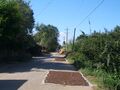 Linxia County Xihe township drying pepper
 -
 Sechuan pepper
 -
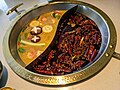 Chengdu double hotpot


Advertise on WikiMD — 81,000+ full articles, ~900,000 total pages, ~250 million page views. Global reach, limited time promotional rates from $1/page/day. Learn more · View stats


Translate page: - East Asian
中文,
日本,
한국어,
South Asian
हिन्दी,
தமிழ்,
తెలుగు,
Urdu,
ಕನ್ನಡ,
Southeast Asian
Indonesian,
Vietnamese,
Thai,
မြန်မာဘာသာ,
বাংলা
European
español,
Deutsch,
français,
Greek,
português do Brasil,
polski,
română,
русский,
Nederlands,
norsk,
svenska,
suomi,
Italian
Middle Eastern & African
عربى,
Turkish,
Persian,
Hebrew,
Afrikaans,
isiZulu,
Kiswahili,
Other
Bulgarian,
Hungarian,
Czech,
Swedish,
മലയാളം,
मराठी,
ਪੰਜਾਬੀ,
ગુજરાતી,
Portuguese,
Ukrainian
About WikiMD • Contact • Disclaimer • Privacy • Copyright • Site statistics
Some content and images may originate from Wikimedia Commons or Wikipedia and remain subject to their stated licenses. Unless otherwise noted, eligible WikiMD content is available under CC BY-SA 4.0.
WikiMD Wellnesspedia — Free health & wellness information for patients, students, and health professionals.

