Sex differences in human physiology
Sex differences in human physiology are distinctions of physiological characteristics associated with either male or female humans. These can be of several types, including direct effects of sex chromosomes, secondary effects of gonadal steroids, or gender effects related to differential social roles.
Sex chromosomes and phenotype[edit]
Sex chromosomes (X and Y) carry genes that code for different physical traits and are one of the forces establishing sex differences in humans. The Y chromosome carries genes related to the development of male sexual characteristics, while the X chromosome carries genes important for both sexes.
Gonadal steroids[edit]
Gonadal steroids also play a crucial role in sex differences in human physiology. These hormones, which include estrogens, progesterone, and androgens, are produced in different amounts in males and females, and they influence the development and function of various body systems.
Gender and social roles[edit]
Gender and social roles can also influence human physiology. For example, societal expectations can influence behaviors such as diet, exercise, and risk-taking, which in turn can affect health outcomes.
Sex differences in specific physiological systems[edit]
Cardiovascular system[edit]
There are several sex differences in the cardiovascular system. For example, men tend to have larger hearts and higher blood pressure, while women are more likely to experience certain types of heart disease.
Endocrine system[edit]
The endocrine system also shows sex differences. For example, women have higher levels of estrogen and progesterone, while men have higher levels of testosterone.
Nervous system[edit]
Sex differences in the nervous system include differences in brain structure, neurotransmitter levels, and responses to stress.
See also[edit]
References[edit]

Sex differences in human physiology[edit]
-
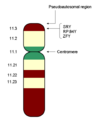 Y Chromosome Showing SRY
 -
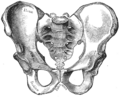 Gray's Anatomy Plate 241
 -
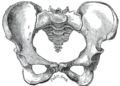 Gray's Anatomy Plate 242
 -
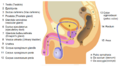 Male anatomy
 -
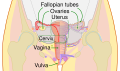 Scheme of female reproductive system
 -
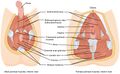 Muscle of the Perineum
 -
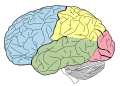 Lobes of the brain


Medical Disclaimer: WikiMD is for informational purposes only and is not a substitute for professional medical advice. Content may be inaccurate or outdated and should not be used for diagnosis or treatment. Always consult your healthcare provider for medical decisions. Verify information with trusted sources such as CDC.gov and NIH.gov. By using this site, you agree that WikiMD is not liable for any outcomes related to its content. See full disclaimer.
Credits:Most images are courtesy of Wikimedia commons, and templates, categories Wikipedia, licensed under CC BY SA or similar.
Translate page: - East Asian
中文,
日本,
한국어,
South Asian
हिन्दी,
தமிழ்,
తెలుగు,
Urdu,
ಕನ್ನಡ,
Southeast Asian
Indonesian,
Vietnamese,
Thai,
မြန်မာဘာသာ,
বাংলা
European
español,
Deutsch,
français,
Greek,
português do Brasil,
polski,
română,
русский,
Nederlands,
norsk,
svenska,
suomi,
Italian
Middle Eastern & African
عربى,
Turkish,
Persian,
Hebrew,
Afrikaans,
isiZulu,
Kiswahili,
Other
Bulgarian,
Hungarian,
Czech,
Swedish,
മലയാളം,
मराठी,
ਪੰਜਾਬੀ,
ગુજરાતી,
Portuguese,
Ukrainian

