Screen time
Screen Time
Screen time refers to the amount of time an individual spends using devices with screens such as televisions, computers, smartphones, and tablets. It is a significant topic in public health and pediatrics due to its impact on physical health, mental health, and developmental outcomes.
Definition[edit]
Screen time encompasses any time spent in front of a screen, whether for entertainment, education, or work. It is often categorized into different types, such as:
- Passive screen time: Watching television or videos without interaction.
- Interactive screen time: Engaging with video games or educational software.
- Social screen time: Using social media platforms or video calls.
Health Implications[edit]
Excessive screen time has been associated with various health issues, including:
Physical Health[edit]
- Obesity: Prolonged screen time is linked to sedentary behavior, which can contribute to weight gain and obesity in both children and adults.
- Sleep disturbances: Exposure to blue light from screens can interfere with circadian rhythms and reduce sleep quality.
- Vision problems: Extended screen use can lead to digital eye strain, characterized by dry eyes, headaches, and blurred vision.
Mental Health[edit]
- Anxiety and depression: High screen time, particularly on social media, has been correlated with increased levels of anxiety and depression in adolescents.
- Attention problems: Excessive use of screens, especially in young children, may contribute to attention deficit hyperactivity disorder (ADHD) symptoms.
Developmental Impact[edit]
Screen time can affect cognitive development and social skills in children. Key concerns include:
- Language development: Excessive screen time, especially before age 2, can delay language acquisition and communication skills.
- Social interaction: Overuse of screens can reduce face-to-face interactions, impacting empathy and social competence.
Guidelines[edit]
Health organizations provide guidelines to help manage screen time:
- American Academy of Pediatrics (AAP): Recommends no screen time for children under 18 months, except for video chatting. For children aged 2 to 5, screen time should be limited to one hour per day of high-quality programming.
- World Health Organization (WHO): Suggests limiting screen time to one hour per day for children aged 2 to 4 years.
Management Strategies[edit]
To mitigate the negative effects of screen time, consider the following strategies:
- Set limits: Establish clear rules about the amount of screen time allowed each day.
- Encourage physical activity: Balance screen time with physical exercise and outdoor play.
- Promote educational content: Choose high-quality, age-appropriate educational programs and apps.
- Model behavior: Parents and caregivers should model healthy screen habits.
Conclusion[edit]
While screen time is an integral part of modern life, it is important to balance it with other activities to ensure holistic development and well-being.
 | This medical article is a stub. You can help WikiMD by expanding the page. |
Screen_time[edit]
-
Person reading an ebook
-
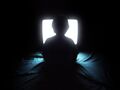 TV high quality
 -
Kindergarten iPad

Advertise on WikiMD — 81,000+ full articles, ~900,000 total pages, ~250 million page views. Global reach, limited time promotional rates from $1/page/day. Learn more · View stats

Translate page: - East Asian
中文,
日本,
한국어,
South Asian
हिन्दी,
தமிழ்,
తెలుగు,
Urdu,
ಕನ್ನಡ,
Southeast Asian
Indonesian,
Vietnamese,
Thai,
မြန်မာဘာသာ,
বাংলা
European
español,
Deutsch,
français,
Greek,
português do Brasil,
polski,
română,
русский,
Nederlands,
norsk,
svenska,
suomi,
Italian
Middle Eastern & African
عربى,
Turkish,
Persian,
Hebrew,
Afrikaans,
isiZulu,
Kiswahili,
Other
Bulgarian,
Hungarian,
Czech,
Swedish,
മലയാളം,
मराठी,
ਪੰਜਾਬੀ,
ગુજરાતી,
Portuguese,
Ukrainian
About WikiMD • Contact • Disclaimer • Privacy • Copyright • Site statistics
Some content and images may originate from Wikimedia Commons or Wikipedia and remain subject to their stated licenses. Unless otherwise noted, eligible WikiMD content is available under CC BY-SA 4.0.
WikiMD Wellnesspedia — Free health & wellness information for patients, students, and health professionals.


