Safety of emergency medical services flights
Safety of Emergency Medical Services Flights
The Safety of Emergency Medical Services (EMS) Flights refers to the measures, protocols, and regulations in place to ensure the security and effectiveness of air transportation used for medical emergencies. EMS flights, which include both helicopters (rotorcraft) and fixed-wing aircraft, are critical components of healthcare systems, providing rapid transport for critically ill or injured patients and access to remote areas. Despite their importance, these flights operate under high-risk conditions, necessitating stringent safety standards.
Overview[edit]
EMS flights are utilized for a variety of purposes, including the rapid transport of patients to tertiary care facilities, access to trauma centers, and inter-facility transfers. These operations are often conducted under pressing circumstances, which may include adverse weather conditions, night operations, and landing in unprepared sites. The unique nature of EMS flights, coupled with the urgency of medical situations, introduces specific risks that must be managed to ensure patient and crew safety.
Risks and Challenges[edit]
The primary risks associated with EMS flights include aircraft accidents, adverse weather conditions, pilot fatigue, and operational pressures. Aircraft accidents, while rare, have a higher incidence rate in EMS operations compared to commercial aviation, due to the demanding nature of medical flights. Adverse weather conditions, such as fog, rain, or wind, can significantly increase the risk of accidents, especially during takeoff, flight, and landing phases. Pilot fatigue is another critical concern, as EMS pilots often work irregular hours and may be called upon at any time. Operational pressures to complete missions can also lead to decision-making that compromises safety.
Safety Measures[edit]
To mitigate these risks, a comprehensive approach to safety is required, encompassing strict regulatory standards, pilot and crew training, and the use of advanced technology. Regulatory bodies, such as the Federal Aviation Administration in the United States, have implemented specific regulations for EMS operations, including requirements for pilot qualifications, aircraft equipment, and operational procedures. Training programs for pilots and medical crew members focus on both aviation and medical aspects, emphasizing decision-making, emergency procedures, and teamwork. Technological advancements, such as night vision goggles and advanced navigation systems, have also played a significant role in enhancing the safety of EMS flights.
Regulations and Standards[edit]
In the United States, the FAA has established Part 135 of the Federal Aviation Regulations (FARs) to govern EMS flight operations. These regulations cover a wide range of areas, including pilot rest requirements, aircraft maintenance, and operational procedures. Additionally, organizations such as the Association of Air Medical Services and the Commission on Accreditation of Medical Transport Systems provide guidelines and accreditation programs to further promote safety and quality in EMS flight operations.
Conclusion[edit]
The safety of EMS flights is of paramount importance, given the critical role these services play in healthcare delivery. Through a combination of regulatory oversight, training, and technological innovation, the risks associated with EMS flights can be effectively managed. Continuous improvement in safety standards and practices is essential to ensuring the well-being of patients and crew members alike.

Safety of emergency medical services flights[edit]
-
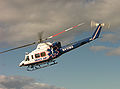 Mercy 412 Helicopter
 -
 N502MT Wreckage


Ad. Transform your health with W8MD Weight Loss, Sleep & MedSpa

Tired of being overweight?
Special offer:
Budget GLP-1 weight loss medications
- Semaglutide starting from $29.99/week and up with insurance for visit of $59.99 and up per week self pay.
- Tirzepatide starting from $45.00/week and up (dose dependent) or $69.99/week and up self pay
✔ Same-week appointments, evenings & weekends
Learn more:
- GLP-1 weight loss clinic NYC
- W8MD's NYC medical weight loss
- W8MD Philadelphia GLP-1 shots
- Philadelphia GLP-1 injections
- Affordable GLP-1 shots NYC
|
WikiMD Medical Encyclopedia |
Medical Disclaimer: WikiMD is for informational purposes only and is not a substitute for professional medical advice. Content may be inaccurate or outdated and should not be used for diagnosis or treatment. Always consult your healthcare provider for medical decisions. Verify information with trusted sources such as CDC.gov and NIH.gov. By using this site, you agree that WikiMD is not liable for any outcomes related to its content. See full disclaimer.
Credits:Most images are courtesy of Wikimedia commons, and templates, categories Wikipedia, licensed under CC BY SA or similar.
Translate this page: - East Asian
中文,
日本,
한국어,
South Asian
हिन्दी,
தமிழ்,
తెలుగు,
Urdu,
ಕನ್ನಡ,
Southeast Asian
Indonesian,
Vietnamese,
Thai,
မြန်မာဘာသာ,
বাংলা
European
español,
Deutsch,
français,
Greek,
português do Brasil,
polski,
română,
русский,
Nederlands,
norsk,
svenska,
suomi,
Italian
Middle Eastern & African
عربى,
Turkish,
Persian,
Hebrew,
Afrikaans,
isiZulu,
Kiswahili,
Other
Bulgarian,
Hungarian,
Czech,
Swedish,
മലയാളം,
मराठी,
ਪੰਜਾਬੀ,
ગુજરાતી,
Portuguese,
Ukrainian
