Rodenticide
Rodenticide is a type of pesticide specifically designed to kill rodents. These substances are commonly used in both residential and commercial settings to control populations of rodents such as rats, mice, and squirrels that can cause damage to property or spread disease.
Types of Rodenticides[edit]
There are several types of rodenticides, each with its own method of action and level of toxicity.
- Anticoagulant rodenticides are the most common type. These substances work by disrupting the blood's ability to clot, causing the rodent to bleed to death internally. Examples include Warfarin, Brodifacoum, and Difenacoum.
- Non-anticoagulant rodenticides work in different ways. Some, like Bromethalin, cause swelling in the brain and liver, while others, like Cholecalciferol, cause a deadly buildup of calcium in the body.
- Metal phosphides are another type of rodenticide. When ingested, these substances react with the stomach acid to produce toxic phosphine gas.
Risks and Controversies[edit]
While rodenticides are effective at controlling rodent populations, they also pose significant risks. Non-target animals, including pets and wildlife, can be poisoned if they ingest the rodenticide directly or consume a poisoned rodent. Human exposure is also a concern, particularly for children who may accidentally ingest the bait.
The use of rodenticides has been controversial due to these risks. In some jurisdictions, certain types of rodenticides have been banned or restricted. Alternatives to rodenticides, such as Integrated Pest Management strategies, are often recommended.
See Also[edit]

This pesticide-related article is a stub. You can help WikiMD by expanding it.
-
Rodenticide
-
Rodenticide
-
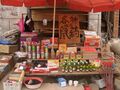 Rodenticide
 -
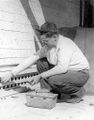 Rodenticide
 -
Rodenticide
-
Rodenticide


Sponsored Health Resource

W8MD Weight Loss, Sleep & MedSpa
Looking for physician-supervised weight loss, semaglutide, tirzepatide, or GLP-1 receptor agonist options? W8MD helps eligible patients in New York City, Brooklyn, New Jersey, Connecticut, Pennsylvania, Delaware, and greater Philadelphia with medical weight loss, sleep medicine, and long-term maintenance support.
GLP-1 specials: Affordable GLP-1 injections NYC and Philadelphia starting from $29.99/week and up for semaglutide with insurance accepted for qualifying visits, and $45/week and up for tirzepatide with insurance accepted for qualifying visits. Self-pay options start from $59.99/week and up for semaglutide and $69.99/week and up for tirzepatide.
- Medical weight loss NYC
- Affordable GLP-1 injections NYC
- Budget GLP-1 weight loss shots Philadelphia
- New Jersey medical weight loss
- NYC medical weight loss blog
- Philadelphia weight loss blog
- Sleep medicine and sleep apnea services
- W8MD MedSpa and wellness
Book a W8MD appointment · View GLP-1 specials
Paid promotional message. Eligibility, pricing, insurance coverage, medication availability, and results vary. Medical evaluation required.

Medical Disclaimer: WikiMD is for informational purposes only and is not a substitute for professional medical advice. Content may be inaccurate or outdated and should not be used for diagnosis or treatment. Always consult your healthcare provider for medical decisions. Verify information with trusted sources such as CDC.gov and NIH.gov. By using this site, you agree that WikiMD is not liable for any outcomes related to its content. See full disclaimer.
Credits:Most images are courtesy of Wikimedia commons, and templates, categories Wikipedia, licensed under CC BY SA or similar.
Translate page: - East Asian
中文,
日本,
한국어,
South Asian
हिन्दी,
தமிழ்,
తెలుగు,
Urdu,
ಕನ್ನಡ,
Southeast Asian
Indonesian,
Vietnamese,
Thai,
မြန်မာဘာသာ,
বাংলা
European
español,
Deutsch,
français,
Greek,
português do Brasil,
polski,
română,
русский,
Nederlands,
norsk,
svenska,
suomi,
Italian
Middle Eastern & African
عربى,
Turkish,
Persian,
Hebrew,
Afrikaans,
isiZulu,
Kiswahili,
Other
Bulgarian,
Hungarian,
Czech,
Swedish,
മലയാളം,
मराठी,
ਪੰਜਾਬੀ,
ગુજરાતી,
Portuguese,
Ukrainian


