Rhododendron
Rhododendron is a genus of 1,024 species of woody plants in the heath family (Ericaceae), either evergreen or decidary, and found mainly in Asia, although it is also widespread throughout the highlands of the Appalachian Mountains of North America. It is the national flower of Nepal. Most species have brightly colored flowers which bloom from late winter through to early summer.
Description[edit]
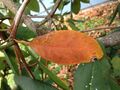
Rhododendrons are characterized by having clusters of large, bell-shaped flowers with stamens that are longer than the petals. The leaves are spirally arranged; leaf size can range from 1–2 cm (0.4–0.8 in) to over 50 cm (20 in), exceptionally 100 cm (40 in) in R. sinogrande. They may be either evergreen or deciduous. In some species, the undersides of the leaves are covered with scales (lepidote) or hairs (indumentum).
Taxonomy[edit]
The Rhododendron genus is the largest of the genera in the Ericaceae family, with 1,024 species, though estimates vary from 850 to 1,000 depending on the authority used. Subgenera include Rhododendron, Hymenanthes, Pentanthera and Therorhodion.
Cultivation[edit]
Rhododendrons are extensively hybridized in cultivation, and natural hybrids often occur in areas where species ranges overlap. There are over 28,000 cultivars of Rhododendron in the International Rhododendron Registry held by the Royal Horticultural Society.
Diseases and pests[edit]
Rhododendrons can easily be suffocated by other plants or injured by cold. They are susceptible to a number of diseases including Phytophthora root rot and crown rot, honey fungus, and various leaf spot diseases.
See also[edit]
References[edit]
External links[edit]

This WikiMD article can only be edited by registered and verified editors. You can log in or register.
-
Rhododendron
-
Rhododendron
-
Rhododendron
-
Rhododendron
-
Rhododendron
-
Rhododendron
-
Rhododendron
-
Rhododendron
-
Rhododendron
-
Rhododendron
-
Rhododendron
-
 Rhododendron


Medical Disclaimer: WikiMD is for informational purposes only and is not a substitute for professional medical advice. Content may be inaccurate or outdated and should not be used for diagnosis or treatment. Always consult your healthcare provider for medical decisions. Verify information with trusted sources such as CDC.gov and NIH.gov. By using this site, you agree that WikiMD is not liable for any outcomes related to its content. See full disclaimer.
Credits:Most images are courtesy of Wikimedia commons, and templates, categories Wikipedia, licensed under CC BY SA or similar.
Translate page: - East Asian
中文,
日本,
한국어,
South Asian
हिन्दी,
தமிழ்,
తెలుగు,
Urdu,
ಕನ್ನಡ,
Southeast Asian
Indonesian,
Vietnamese,
Thai,
မြန်မာဘာသာ,
বাংলা
European
español,
Deutsch,
français,
Greek,
português do Brasil,
polski,
română,
русский,
Nederlands,
norsk,
svenska,
suomi,
Italian
Middle Eastern & African
عربى,
Turkish,
Persian,
Hebrew,
Afrikaans,
isiZulu,
Kiswahili,
Other
Bulgarian,
Hungarian,
Czech,
Swedish,
മലയാളം,
मराठी,
ਪੰਜਾਬੀ,
ગુજરાતી,
Portuguese,
Ukrainian


02.jpg)

.jpg)

