Retinal dehydrogenase
Retinal dehydrogenase (RDH) is an enzyme that plays a critical role in the metabolism of retinoids, which are derivatives of vitamin A crucial for vision, growth, cellular differentiation, and proliferation. RDH catalyzes the oxidation of retinol (vitamin A alcohol) into retinal (vitamin A aldehyde), a key step in the biosynthesis of retinoic acid, an active metabolite of vitamin A. Retinoic acid functions as a signaling molecule that regulates gene expression through nuclear receptors.
Function[edit]
Retinal dehydrogenase is involved in the visual cycle, which is essential for the conversion of light into electrical signals in the retina of the eye. This process is vital for vision, especially under low-light conditions. Additionally, RDH plays a significant role in the systemic metabolism of vitamin A, contributing to the maintenance of proper levels of retinoic acid in tissues, which is necessary for embryonic development and the maintenance of epithelial tissues.
Classification[edit]
Retinal dehydrogenases belong to the aldehyde dehydrogenase (ALDH) family, which includes several isozymes differing in their substrate specificity, tissue distribution, and kinetic properties. The most well-known RDH enzymes include RDH10 and RDH12, which are critical for retinoid metabolism in the retina and other tissues.
Genetics[edit]
Mutations in the genes encoding retinal dehydrogenase enzymes, such as RDH12, have been linked to various retinal diseases and disorders, including Leber Congenital Amaurosis (LCA), an inherited retinal degenerative disease that leads to severe vision loss at an early age. Understanding the genetic basis of these conditions is crucial for the development of targeted therapies.
Clinical Significance[edit]
The activity of retinal dehydrogenase is not only essential for vision but also plays a role in the pathogenesis of certain diseases. Abnormalities in retinoid metabolism can lead to conditions such as vitamin A deficiency, which can cause night blindness and increase the risk of infectious diseases. On the other hand, excessive accumulation of retinoic acid can lead to toxicity and teratogenic effects.
Research Directions[edit]
Current research on retinal dehydrogenase focuses on understanding its structure-function relationships, regulation, and role in disease. Insights into RDH enzymes may lead to novel therapeutic approaches for treating retinal diseases and other conditions associated with retinoid metabolism disorders.
See Also[edit]
 | This medical article is a stub. You can help WikiMD by expanding the page. |
Retinal dehydrogenase[edit]
-
 4wb9
4wb9 -
 Retinal Dehydrogenase Rossman Fold
 -
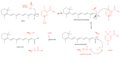 Retinal Dehydrogenase Mechanism


Medical Disclaimer: WikiMD is for informational purposes only and is not a substitute for professional medical advice. Content may be inaccurate or outdated and should not be used for diagnosis or treatment. Always consult your healthcare provider for medical decisions. Verify information with trusted sources such as CDC.gov and NIH.gov. By using this site, you agree that WikiMD is not liable for any outcomes related to its content. See full disclaimer.
Credits:Most images are courtesy of Wikimedia commons, and templates, categories Wikipedia, licensed under CC BY SA or similar.
Translate this page: - East Asian
中文,
日本,
한국어,
South Asian
हिन्दी,
தமிழ்,
తెలుగు,
Urdu,
ಕನ್ನಡ,
Southeast Asian
Indonesian,
Vietnamese,
Thai,
မြန်မာဘာသာ,
বাংলা
European
español,
Deutsch,
français,
Greek,
português do Brasil,
polski,
română,
русский,
Nederlands,
norsk,
svenska,
suomi,
Italian
Middle Eastern & African
عربى,
Turkish,
Persian,
Hebrew,
Afrikaans,
isiZulu,
Kiswahili,
Other
Bulgarian,
Hungarian,
Czech,
Swedish,
മലയാളം,
मराठी,
ਪੰਜਾਬੀ,
ગુજરાતી,
Portuguese,
Ukrainian

