Radioactive contamination
Radioactive contamination, also known as radiological contamination, is the deposition of, or presence of radioactive substances on surfaces or within solids, liquids or gases (including the human body), where their presence is unintended or undesirable.
Causes[edit]
Radioactive contamination can occur as a result of certain activities such as nuclear power generation, nuclear weapons production and detonation, coal burning, and nuclear medicine. It can also occur naturally due to the presence of radon gas.
Effects[edit]
The effects of radioactive contamination can be harmful to both the environment and human health. Exposure to radioactive substances can cause radiation sickness, cancer, and genetic damage. It can also harm wildlife and damage ecosystems.
Prevention and Decontamination[edit]
Prevention of radioactive contamination involves a variety of measures such as the use of protective clothing, the use of barriers to prevent the spread of contamination, and the use of radiation detection equipment. Decontamination can be achieved through a variety of methods including the removal of contaminated materials, the use of chemical treatments, and the use of physical processes such as washing or scrubbing.
See also[edit]
References[edit]

This WikiMD article can only be edited by registered and verified editors. You can log in or register.
Radioactive_contamination[edit]
-
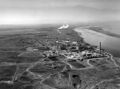 Hanford N Reactor
 -
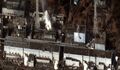 Fukushima I by Digital Globe
 -
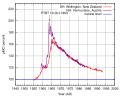 Radiocarbon bomb spike
 -
NNSA NSO 58
-
Cosmos 954 - Recovery 001
-
TMI cleanup 2
-
Periodic Table Radioactivity
-
 Radiation warning symbol
 -
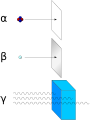 Alfa beta gamma radiation


Medical Disclaimer: WikiMD is for informational purposes only and is not a substitute for professional medical advice. Content may be inaccurate or outdated and should not be used for diagnosis or treatment. Always consult your healthcare provider for medical decisions. Verify information with trusted sources such as CDC.gov and NIH.gov. By using this site, you agree that WikiMD is not liable for any outcomes related to its content. See full disclaimer.
Credits:Most images are courtesy of Wikimedia commons, and templates, categories Wikipedia, licensed under CC BY SA or similar.
Translate page: - East Asian
中文,
日本,
한국어,
South Asian
हिन्दी,
தமிழ்,
తెలుగు,
Urdu,
ಕನ್ನಡ,
Southeast Asian
Indonesian,
Vietnamese,
Thai,
မြန်မာဘာသာ,
বাংলা
European
español,
Deutsch,
français,
Greek,
português do Brasil,
polski,
română,
русский,
Nederlands,
norsk,
svenska,
suomi,
Italian
Middle Eastern & African
عربى,
Turkish,
Persian,
Hebrew,
Afrikaans,
isiZulu,
Kiswahili,
Other
Bulgarian,
Hungarian,
Czech,
Swedish,
മലയാളം,
मराठी,
ਪੰਜਾਬੀ,
ગુજરાતી,
Portuguese,
Ukrainian


