Pneumococcal polysaccharide vaccine
Pneumococcal polysaccharide vaccine (PPV) is a vaccine used to prevent infection caused by Streptococcus pneumoniae bacteria. These bacteria can cause serious infections such as pneumonia, meningitis, and bloodstream infection (bacteremia).
Composition[edit]
The vaccine is composed of purified polysaccharides from 23 of the most common types of Streptococcus pneumoniae bacteria. These polysaccharides stimulate the body's immune system to produce antibodies, which can recognize and kill the bacteria if the person is exposed to them in the future.
Usage[edit]
PPV is recommended for all adults aged 65 years and older, as well as for people aged 2 years and older who are at high risk of pneumococcal disease due to certain health conditions. It is also recommended for people who live in environments where the risk of pneumococcal disease is high, such as nursing homes or other long-term care facilities.
Effectiveness[edit]
The vaccine is effective in preventing severe disease, hospitalization, and death. It is estimated to be 60-70% effective in preventing invasive disease caused by the types of bacteria included in the vaccine.
Side Effects[edit]
Common side effects of the vaccine include pain and swelling at the injection site, mild fever, and muscle aches. Serious side effects are rare.
See Also[edit]
 | This medical article is a stub. You can help WikiMD by expanding the page. |
 | This article about vaccines or vaccination is a stub. You can help WikiMD by expanding the page. |
-
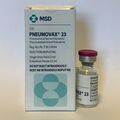 Pneumococcal polysaccharide vaccine

Advertise on WikiMD — 81,000+ full articles, ~900,000 total pages, ~250 million page views. Global reach, limited time promotional rates from $1/page/day. Learn more · View stats


Translate page: - East Asian
中文,
日本,
한국어,
South Asian
हिन्दी,
தமிழ்,
తెలుగు,
Urdu,
ಕನ್ನಡ,
Southeast Asian
Indonesian,
Vietnamese,
Thai,
မြန်မာဘာသာ,
বাংলা
European
español,
Deutsch,
français,
Greek,
português do Brasil,
polski,
română,
русский,
Nederlands,
norsk,
svenska,
suomi,
Italian
Middle Eastern & African
عربى,
Turkish,
Persian,
Hebrew,
Afrikaans,
isiZulu,
Kiswahili,
Other
Bulgarian,
Hungarian,
Czech,
Swedish,
മലയാളം,
मराठी,
ਪੰਜਾਬੀ,
ગુજરાતી,
Portuguese,
Ukrainian
About WikiMD • Contact • Disclaimer • Privacy • Copyright • Site statistics
Some content and images may originate from Wikimedia Commons or Wikipedia and remain subject to their stated licenses. Unless otherwise noted, eligible WikiMD content is available under CC BY-SA 4.0.
WikiMD Wellnesspedia — Free health & wellness information for patients, students, and health professionals.

