Papillomaviridae
Papillomaviridae is a family of DNA viruses that infect the skin and mucous membranes of humans and a variety of animals. The name is derived from papilloma, which describes the benign tumor type that human papillomaviruses can cause.
Taxonomy[edit]
Papillomaviridae is a family of viruses that includes five subfamilies: Firstpapillomavirinae, Secondpapillomavirinae, Thirdepapillomavirinae, Fourthpapillomavirinae, and Fifthpapillomavirinae. These subfamilies are further divided into genera, species, and individual viruses.
Structure[edit]
Papillomaviruses are non-enveloped viruses with an icosahedral capsid. The capsid is made up of 72 capsomeres, each of which is composed of the viral protein L1. Inside the capsid is a circular, double-stranded DNA genome.
Life cycle[edit]
The life cycle of papillomaviruses is closely tied to the differentiation of the host cell. Infection begins when the virus binds to the basement membrane of a stratified squamous epithelium. The virus then enters the basal cell layer, where it begins to replicate.
Disease[edit]
Papillomaviruses are best known for causing warts or papillomas. However, some types of papillomaviruses, particularly certain types of human papillomaviruses, can lead to cancer.
Prevention and treatment[edit]
Prevention of papillomavirus infection can be achieved through vaccination. The HPV vaccine is effective against the most common types of human papillomaviruses that cause cervical cancer. Treatment of papillomavirus infections is primarily focused on the removal of warts and the treatment of cancers.
See also[edit]

This WikiMD article can only be edited by registered and verified editors. You can log in or register.
Papillomaviridae[edit]
-
Papillomavirus
-
Papillomavirus Phylogenetic Tree
-
Viral Papilloma
-
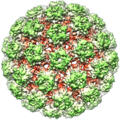 Bovine Papillomavirus Capsid
 -
HPV-16 Genome Organization
-
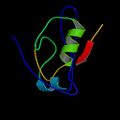 Papillomaviridae


Medical Disclaimer: WikiMD is for informational purposes only and is not a substitute for professional medical advice. Content may be inaccurate or outdated and should not be used for diagnosis or treatment. Always consult your healthcare provider for medical decisions. Verify information with trusted sources such as CDC.gov and NIH.gov. By using this site, you agree that WikiMD is not liable for any outcomes related to its content. See full disclaimer.
Credits:Most images are courtesy of Wikimedia commons, and templates, categories Wikipedia, licensed under CC BY SA or similar.
Translate page: - East Asian
中文,
日本,
한국어,
South Asian
हिन्दी,
தமிழ்,
తెలుగు,
Urdu,
ಕನ್ನಡ,
Southeast Asian
Indonesian,
Vietnamese,
Thai,
မြန်မာဘာသာ,
বাংলা
European
español,
Deutsch,
français,
Greek,
português do Brasil,
polski,
română,
русский,
Nederlands,
norsk,
svenska,
suomi,
Italian
Middle Eastern & African
عربى,
Turkish,
Persian,
Hebrew,
Afrikaans,
isiZulu,
Kiswahili,
Other
Bulgarian,
Hungarian,
Czech,
Swedish,
മലയാളം,
मराठी,
ਪੰਜਾਬੀ,
ગુજરાતી,
Portuguese,
Ukrainian


