Pain in animals
Pain in Animals is a complex, multidimensional experience involving sensory and emotional components. It is not merely a physical phenomenon but also has significant psychological implications for affected animals. Understanding and managing pain in animals is crucial for veterinarians, ethologists, and animal caregivers, as it directly impacts animal welfare, recovery from illness or surgery, and the quality of life.
Definition and Types[edit]
Pain in animals can be defined as an unpleasant sensory and emotional experience associated with actual or potential tissue damage. It can be classified into two main types: acute and chronic. Acute pain is a direct response to a specific injury or disease and usually diminishes as the underlying cause is treated. In contrast, chronic pain persists over a longer period and may not be directly related to an identifiable cause.
Mechanisms[edit]
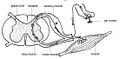
The mechanisms of pain in animals involve complex physiological and biochemical pathways. These include the transduction of pain signals from the site of injury to the central nervous system, transmission of these signals via the spinal cord to the brain, and the perception of pain within the brain. Animals, like humans, have pain receptors (nociceptors) that detect damage to tissues and send pain signals to the brain.
Assessment[edit]
Assessing pain in animals is challenging due to their inability to communicate verbally. However, various behavioral and physiological indicators can be used to infer the presence and intensity of pain. These include changes in normal behavior (e.g., reduced activity, altered gait), vocalization, facial expressions, and physiological parameters such as heart rate and cortisol levels. Tools such as the Glasgow Composite Measure Pain Scale have been developed to standardize pain assessment in animals.
Management[edit]
Effective pain management in animals involves a combination of pharmacological and non-pharmacological approaches. Pharmacological treatments may include the use of analgesics such as nonsteroidal anti-inflammatory drugs (NSAIDs), opioids, and local anesthetics. Non-pharmacological methods can include physical therapy, acupuncture, and environmental modification to reduce stress and discomfort.
Ethical Considerations[edit]
The ethical consideration of pain in animals is a significant aspect of animal welfare. It is widely recognized that animals are sentient beings capable of experiencing pain and suffering. Therefore, there is a moral obligation to prevent and alleviate pain in animals, whether in a clinical setting, in research, or in agriculture. Legislation and guidelines in many countries mandate the consideration of animal pain in various contexts, emphasizing the importance of pain management in promoting animal welfare.
Research and Future Directions[edit]
Research into pain in animals continues to evolve, with ongoing studies aimed at better understanding the mechanisms of pain, improving methods of assessment, and developing more effective pain management strategies. Advances in technology and science, such as the use of genetic markers and imaging techniques, hold promise for enhancing our understanding and treatment of pain in animals.
 | This medical article is a stub. You can help WikiMD by expanding the page. |
-
Pain in animals
-
 Pain in animals
 -
Pain in animals

Advertise on WikiMD — 81,000+ full articles, ~900,000 total pages, ~250 million page views. Global reach, limited time promotional rates from $1/page/day. Learn more · View stats

Medical Disclaimer: WikiMD is for informational purposes only and is not a substitute for professional medical advice. Content may be inaccurate or outdated and should not be used for diagnosis or treatment. Always consult your healthcare provider for medical decisions. Verify information with trusted sources such as CDC.gov and NIH.gov. By using this site, you agree that WikiMD is not liable for any outcomes related to its content. See full disclaimer.
Credits:Most images are courtesy of Wikimedia commons, and templates, categories Wikipedia, licensed under CC BY SA or similar.
Translate page: - East Asian
中文,
日本,
한국어,
South Asian
हिन्दी,
தமிழ்,
తెలుగు,
Urdu,
ಕನ್ನಡ,
Southeast Asian
Indonesian,
Vietnamese,
Thai,
မြန်မာဘာသာ,
বাংলা
European
español,
Deutsch,
français,
Greek,
português do Brasil,
polski,
română,
русский,
Nederlands,
norsk,
svenska,
suomi,
Italian
Middle Eastern & African
عربى,
Turkish,
Persian,
Hebrew,
Afrikaans,
isiZulu,
Kiswahili,
Other
Bulgarian,
Hungarian,
Czech,
Swedish,
മലയാളം,
मराठी,
ਪੰਜਾਬੀ,
ગુજરાતી,
Portuguese,
Ukrainian


