Oily fish
Oily fish refers to fish species that have oil in their tissues and around the gut. Their fillets contain up to 30% oil, although this figure varies both within and among species. Examples of oily fish include salmon, mackerel, sardines, trout, and herring. These types of fish are known for their health benefits, particularly because they contain high levels of omega-3 fatty acids, which are essential fats that the human body cannot produce by itself.
Health Benefits[edit]
Oily fish are a rich source of omega-3 fatty acids, particularly EPA (eicosapentaenoic acid) and DHA (docosahexaenoic acid). These fatty acids are believed to contribute to heart health by reducing inflammation and the risk of heart disease. They also play a crucial role in brain function and may reduce the risk of depression and other mental health conditions. Furthermore, omega-3 fatty acids are essential for the development of the nervous system in infants.
Recommendations[edit]
Health organizations often recommend eating at least two servings of oily fish per week to gain the health benefits associated with omega-3 fatty acids. However, due to concerns over mercury and other contaminants in some fish species, it is also advised to vary the types of fish consumed and to choose lower-mercury options.
Environmental Considerations[edit]
The fishing and farming of oily fish have raised environmental concerns, including overfishing and the sustainability of fish stocks. Some species of oily fish are more sustainable than others, and consumers are encouraged to select fish from sustainable sources to help protect marine biodiversity.
Nutritional Content[edit]
In addition to omega-3 fatty acids, oily fish are a good source of vitamin D, protein, and some B vitamins. They also contain minerals such as selenium, zinc, and iodine.
Cooking and Preparation[edit]
Oily fish can be prepared in various ways, including grilling, baking, and frying. They are also commonly used in canned products, such as canned sardines and mackerel. When cooking oily fish, it is often recommended to use simple preparations to preserve the health benefits of the omega-3 fatty acids.
 | This nutrition-related article is a stub. You can help WikiMD by expanding the page. |
-
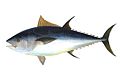 Bluefin Tuna
 -
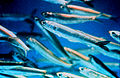 Anchovy Closeup
 -
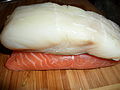 Halibut and Salmon Fillets
 -
Thyme and Garlic Grilled Salmon with Mango Salsa, Rosemary Potatoes and Snow Peas


Advertise on WikiMD — 81,000+ full articles, ~900,000 total pages, ~250 million page views. Global reach, limited time promotional rates from $1/page/day. Learn more · View stats


Translate page: - East Asian
中文,
日本,
한국어,
South Asian
हिन्दी,
தமிழ்,
తెలుగు,
Urdu,
ಕನ್ನಡ,
Southeast Asian
Indonesian,
Vietnamese,
Thai,
မြန်မာဘာသာ,
বাংলা
European
español,
Deutsch,
français,
Greek,
português do Brasil,
polski,
română,
русский,
Nederlands,
norsk,
svenska,
suomi,
Italian
Middle Eastern & African
عربى,
Turkish,
Persian,
Hebrew,
Afrikaans,
isiZulu,
Kiswahili,
Other
Bulgarian,
Hungarian,
Czech,
Swedish,
മലയാളം,
मराठी,
ਪੰਜਾਬੀ,
ગુજરાતી,
Portuguese,
Ukrainian
About WikiMD • Contact • Disclaimer • Privacy • Copyright • Site statistics
Some content and images may originate from Wikimedia Commons or Wikipedia and remain subject to their stated licenses. Unless otherwise noted, eligible WikiMD content is available under CC BY-SA 4.0.
WikiMD Wellnesspedia — Free health & wellness information for patients, students, and health professionals.


.jpg)