Nuclear power plant
A nuclear power plant (or nuclear power station) is a thermal power station in which the heat source is a nuclear reactor. As is typical of thermal power stations, heat is used to generate steam that drives a steam turbine connected to a generator that produces electricity. As of 2018, the International Atomic Energy Agency reported there were 450 nuclear power reactors in operation in 30 countries.
Overview[edit]
Nuclear plants are usually considered to be base load stations since fuel is a small part of the cost of production. Their operations and maintenance costs are about the same as a fossil fuel plant, but the cost of fuel is a minor proportion of the total cost, so their costs are more predictable and stable.
Components[edit]
A nuclear power plant includes many components such as:
- Nuclear reactor - The heart of a nuclear power plant, where the nuclear fission process takes place.
- Steam generator - A device that uses the heat produced in the reactor to convert water into steam.
- Turbine - A machine that converts the energy in steam into mechanical energy.
- Electric generator - A device that converts mechanical energy into electrical energy.
Safety and accidents[edit]
Safety is a key concern in the design, construction, operation, and decommissioning of nuclear power plants. Accidents can release dangerous radioactivity into the environment. The most serious of these are core melt accidents.
See also[edit]
- List of nuclear power stations
- Nuclear power debate
- Nuclear safety and security
- Nuclear power phase-out
- Nuclear power by country
References[edit]
External links[edit]

This WikiMD article can only be edited by registered and verified editors. You can log in or register.
-
Nuclear power plant
-
Boiling water reactor diagram
-
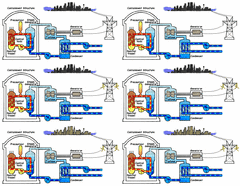 Pressurized water reactor diagram
 -
Doel Nuclear Power Plant
-
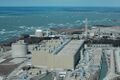 Bruce Nuclear Generating Station
 -
Olkiluoto Nuclear Power Plant
-
Cernavoda Nuclear Power Plant
-
Hypothetical number of deaths from energy production
-
View of Chernobyl from Pripyat


Advertise on WikiMD — 81,000+ full articles, ~900,000 total pages, ~250 million page views. Global reach, limited time promotional rates from $1/page/day. Learn more · View stats

Medical Disclaimer: WikiMD is for informational purposes only and is not a substitute for professional medical advice. Content may be inaccurate or outdated and should not be used for diagnosis or treatment. Always consult your healthcare provider for medical decisions. Verify information with trusted sources such as CDC.gov and NIH.gov. By using this site, you agree that WikiMD is not liable for any outcomes related to its content. See full disclaimer.
Credits:Most images are courtesy of Wikimedia commons, and templates, categories Wikipedia, licensed under CC BY SA or similar.
Translate page: - East Asian
中文,
日本,
한국어,
South Asian
हिन्दी,
தமிழ்,
తెలుగు,
Urdu,
ಕನ್ನಡ,
Southeast Asian
Indonesian,
Vietnamese,
Thai,
မြန်မာဘာသာ,
বাংলা
European
español,
Deutsch,
français,
Greek,
português do Brasil,
polski,
română,
русский,
Nederlands,
norsk,
svenska,
suomi,
Italian
Middle Eastern & African
عربى,
Turkish,
Persian,
Hebrew,
Afrikaans,
isiZulu,
Kiswahili,
Other
Bulgarian,
Hungarian,
Czech,
Swedish,
മലയാളം,
मराठी,
ਪੰਜਾਬੀ,
ગુજરાતી,
Portuguese,
Ukrainian


.jpg)


