Mulling spices
Mulling spices are a blend of spices traditionally used in European cuisine to flavor warm beverages such as mulled wine, mulled cider, and other winter drinks. The blend typically includes ingredients such as cinnamon, cloves, allspice, and nutmeg, but the exact composition can vary widely.
History[edit]
The use of mulling spices dates back to the 2nd century, where they were used by the Romans to flavor wine. The practice spread throughout Europe during the Middle Ages, and remains popular in many countries today, particularly during the winter months.
Composition[edit]
While the exact composition of mulling spices can vary, most blends include the following ingredients:
- Cinnamon: This spice, derived from the bark of trees in the genus Cinnamomum, is a common ingredient in mulling spices due to its warm, sweet flavor.
- Cloves: Cloves are the aromatic flower buds of a tree in the family Myrtaceae. They add a strong, pungent flavor to mulling spices.
- Allspice: Despite its name, allspice is not a blend of spices, but rather the dried fruit of the Pimenta dioica plant. It has a flavor that is reminiscent of cinnamon, cloves, and nutmeg, making it a popular addition to mulling spices.
- Nutmeg: Nutmeg is the seed of the Myristica fragrans tree. It has a warm, nutty flavor that complements the other ingredients in mulling spices.
Other ingredients that may be included in mulling spices include star anise, cardamom, ginger, and orange peel.
Use[edit]
Mulling spices are typically used to flavor warm beverages such as mulled wine and mulled cider. They may be added directly to the beverage, or placed in a tea infuser or cheesecloth bag to make them easier to remove after steeping. The spices are usually simmered in the beverage for at least 20 minutes to allow the flavors to fully develop.

-
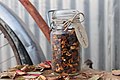 Mulling spices


Medical Disclaimer: WikiMD is for informational purposes only and is not a substitute for professional medical advice. Content may be inaccurate or outdated and should not be used for diagnosis or treatment. Always consult your healthcare provider for medical decisions. Verify information with trusted sources such as CDC.gov and NIH.gov. By using this site, you agree that WikiMD is not liable for any outcomes related to its content. See full disclaimer.
Credits:Most images are courtesy of Wikimedia commons, and templates, categories Wikipedia, licensed under CC BY SA or similar.
Translate page: - East Asian
中文,
日本,
한국어,
South Asian
हिन्दी,
தமிழ்,
తెలుగు,
Urdu,
ಕನ್ನಡ,
Southeast Asian
Indonesian,
Vietnamese,
Thai,
မြန်မာဘာသာ,
বাংলা
European
español,
Deutsch,
français,
Greek,
português do Brasil,
polski,
română,
русский,
Nederlands,
norsk,
svenska,
suomi,
Italian
Middle Eastern & African
عربى,
Turkish,
Persian,
Hebrew,
Afrikaans,
isiZulu,
Kiswahili,
Other
Bulgarian,
Hungarian,
Czech,
Swedish,
മലയാളം,
मराठी,
ਪੰਜਾਬੀ,
ગુજરાતી,
Portuguese,
Ukrainian

