Mineral spring
Mineral spring refers to a spring that produces water containing minerals or other dissolved substances that alter its taste or give it purported therapeutic value. Salts, sulfur compounds, and gases are among the substances that can be dissolved in the spring water. The composition of the water typically depends on the geology of the area through which the water moves. Mineral springs are often found in mountainous and volcanic areas where underground water can come into contact with minerals in rocks and soil. People have used mineral springs for bathing, drinking, or other health-related purposes for thousands of years.
Composition and Types[edit]
Mineral springs can vary greatly in their mineral content, which is influenced by the local geologic structure. Common minerals found in these waters include calcium, magnesium, potassium, sodium, iron, and sulfur. Based on their dominant mineral content, mineral springs can be classified into several types, such as:
- Sulfur Springs: Characterized by the presence of hydrogen sulfide, which gives the water a distinctive "rotten egg" smell. These springs are often touted for their skin benefits.
- Chalybeate Springs: Rich in iron, these springs often have a reddish color and are historically sought for treating anemia and other iron deficiencies.
- Salty Springs: Contain high levels of sodium chloride (table salt) or other salts. These are sometimes referred to as saline springs.
- Alkaline Springs: Have a high pH due to dissolved alkali metals like lithium, calcium, potassium, and magnesium.
- Thermal Springs: While not exclusively mineral springs, many thermal (hot) springs also contain significant mineral content and are sought for both their warmth and mineral properties.
Health Benefits and Uses[edit]
The health benefits attributed to mineral springs have been a subject of both traditional beliefs and modern scientific research. Historically, cultures around the world have revered mineral springs for their healing properties, using them to treat a wide range of ailments from skin diseases and digestive disorders to chronic pain and neurological conditions. In modern times, while some claims have been supported by scientific evidence, others remain anecdotal.
Spa towns and resorts have developed around mineral springs, offering various treatments that utilize the mineral water for hydrotherapy, balneotherapy, and drinking cures. These treatments are believed to help detoxify the body, improve circulation, relieve pain, and promote overall well-being.
Environmental and Conservation Concerns[edit]
The sustainability of mineral springs is a growing concern. Overexploitation, pollution, and changes in land use can deplete or contaminate these natural resources. Efforts to protect and conserve mineral springs involve monitoring their flow and quality, regulating their use, and protecting the surrounding environment to ensure that these natural wonders remain available for future generations.
See Also[edit]
External Links[edit]

Mineral spring[edit]
-
 The mineral spring by Wenceslas Hollar
 -
 Hot springs at Manikaran, Himachal Pradesh
 -
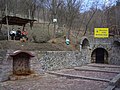 Breznik iron water spring
 -
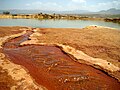 Tap Tapan Mineral Spring
 -
 Badab Surt Najafi
.jpg)


Ad. Transform your life with W8MD's
GLP-1 weight loss injections special from $29.99 with insurance
|
WikiMD Medical Encyclopedia |
Medical Disclaimer: WikiMD is for informational purposes only and is not a substitute for professional medical advice. Content may be inaccurate or outdated and should not be used for diagnosis or treatment. Always consult your healthcare provider for medical decisions. Verify information with trusted sources such as CDC.gov and NIH.gov. By using this site, you agree that WikiMD is not liable for any outcomes related to its content. See full disclaimer.
Credits:Most images are courtesy of Wikimedia commons, and templates, categories Wikipedia, licensed under CC BY SA or similar.
Translate this page: - East Asian
中文,
日本,
한국어,
South Asian
हिन्दी,
தமிழ்,
తెలుగు,
Urdu,
ಕನ್ನಡ,
Southeast Asian
Indonesian,
Vietnamese,
Thai,
မြန်မာဘာသာ,
বাংলা
European
español,
Deutsch,
français,
Greek,
português do Brasil,
polski,
română,
русский,
Nederlands,
norsk,
svenska,
suomi,
Italian
Middle Eastern & African
عربى,
Turkish,
Persian,
Hebrew,
Afrikaans,
isiZulu,
Kiswahili,
Other
Bulgarian,
Hungarian,
Czech,
Swedish,
മലയാളം,
मराठी,
ਪੰਜਾਬੀ,
ગુજરાતી,
Portuguese,
Ukrainian
