Metabolic engineering
Metabolic engineering is the practice of optimizing genetic and regulatory processes within cells to increase the cells' production of a certain substance. These processes are chemical networks that use a series of biochemical reactions and enzymes that allow cells to convert raw materials into molecules necessary for the cell's survival. Metabolic pathways are the routes by which these conversions occur.
History[edit]
The field of metabolic engineering was formally named in a 1991 article by James Bailey. The field has grown rapidly since then, with the development of new techniques and the expansion of its scope.
Techniques[edit]
Metabolic engineering uses a variety of techniques to achieve its goals. These include genetic engineering, systems biology, and synthetic biology.
Genetic engineering[edit]
Genetic engineering is a key technique in metabolic engineering. It involves the direct manipulation of an organism's genes using biotechnology.
Systems biology[edit]
Systems biology is an approach in biomedical research to understanding the larger picture—be it at the level of the organism, tissue, or cell—by putting its pieces together.
Synthetic biology[edit]
Synthetic biology is an interdisciplinary branch of biology and engineering. The subject combines various disciplines from within these domains, such as biotechnology, evolutionary biology, molecular biology, systems biology, biophysics, computer engineering, and genetic engineering.
Applications[edit]
Metabolic engineering has a wide range of applications. It is used in the production of biofuels, pharmaceuticals, and other chemicals. It is also used in environmental remediation and agriculture.
See also[edit]
References[edit]

This WikiMD article can only be edited by registered and verified editors. You can log in or register.
-
 Computational design and evaluation of DNA circuits to achieve optimal performance
 -
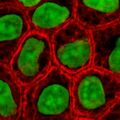 Epithelial cells


Medical Disclaimer: WikiMD is for informational purposes only and is not a substitute for professional medical advice. Content may be inaccurate or outdated and should not be used for diagnosis or treatment. Always consult your healthcare provider for medical decisions. Verify information with trusted sources such as CDC.gov and NIH.gov. By using this site, you agree that WikiMD is not liable for any outcomes related to its content. See full disclaimer.
Credits:Most images are courtesy of Wikimedia commons, and templates, categories Wikipedia, licensed under CC BY SA or similar.
Translate page: - East Asian
中文,
日本,
한국어,
South Asian
हिन्दी,
தமிழ்,
తెలుగు,
Urdu,
ಕನ್ನಡ,
Southeast Asian
Indonesian,
Vietnamese,
Thai,
မြန်မာဘာသာ,
বাংলা
European
español,
Deutsch,
français,
Greek,
português do Brasil,
polski,
română,
русский,
Nederlands,
norsk,
svenska,
suomi,
Italian
Middle Eastern & African
عربى,
Turkish,
Persian,
Hebrew,
Afrikaans,
isiZulu,
Kiswahili,
Other
Bulgarian,
Hungarian,
Czech,
Swedish,
മലയാളം,
मराठी,
ਪੰਜਾਬੀ,
ગુજરાતી,
Portuguese,
Ukrainian

