Mercury poisoning
Poisoning caused by mercury chemicals
| Mercury poisoning, | |
|---|---|
| Maximum thermometer close up 2.JPG | |
| Synonyms | Mercury toxicity, mercury overdose, mercury intoxication, hydrargyria, mercurialism |
| Pronounce | N/A |
| Specialty | N/A |
| Symptoms | Muscle weakness, poor coordination, numbness in the hands and feet |
| Complications | Kidney problems, decreased intelligence |
| Onset | |
| Duration | |
| Types | N/A |
| Causes | Exposure to mercury |
| Risks | |
| Diagnosis | Difficult |
| Differential diagnosis | |
| Prevention | Decreasing use of mercury, low mercury diet |
| Treatment | |
| Medication | Acute poisoning: dimercaptosuccinic acid (DMSA), dimercaptopropane sulfonate (DMPS) |
| Prognosis | N/A |
| Frequency | |
| Deaths | |
Mercury poisoning is a type of metal poisoning that results from exposure to mercury, a heavy metal that's toxic in all its forms: elemental, inorganic, and organic. The signs, symptoms, and potential complications of mercury poisoning are dependent on the type, dosage, and duration of mercury exposure, and can affect various bodily systems, including the nervous, digestive, immune, and renal systems.
Signs and Symptoms[edit]
Manifestations of mercury poisoning can be diverse, presenting differently based on the form of mercury involved and the exposure period. Symptoms may range from neuromuscular effects, such as muscle weakness and poor coordination, to sensory disruptions, such as numbness in extremities, and various cognitive and psychological issues, such as anxiety, memory problems, and difficulty speaking, hearing, or seeing.
In cases of acute, high-level exposure to methylmercury, a condition known as Minamata disease can develop. If children are exposed, they might present with acrodynia (pink disease), characterized by pink, peeling skin. Chronic exposure can lead to long-term complications such as kidney damage and decreased cognitive functions.
Causes and Exposure Routes[edit]
Mercury exposure can occur through a variety of sources. Most human exposure results from consuming fish that contain bioaccumulated mercury, having mercury-based dental amalgam fillings, or occupational exposure in workplaces that use mercury. Activities that release mercury into the environment, such as burning coal and gold mining, also contribute to mercury exposure.
Rarely, mercury poisoning can occur as an intentional act, such as in attempted suicide. Testing for mercury can be conducted via blood, urine, or hair analysis, but these tests do not always accurately reflect the body's total mercury burden.
Prevention and Treatment[edit]
Prevention strategies include adhering to a low-mercury diet, phasing out the use of mercury in medical devices and other products, and advocating for proper disposal of mercury and cessation of further mercury mining. For those with acute mercury poisoning from inorganic salts, chelation therapy with either dimercaptosuccinic acid (DMSA) or dimercaptopropane sulfonate (DMPS) can improve outcomes if administered soon after exposure. However, the benefits of chelation therapy for chronic mercury exposure are unclear.
References[edit]
See also[edit]

This WikiMD article can only be edited by registered and verified editors. You can log in or register.
Template:Poisoning and toxicity
Template:Antidotes
-
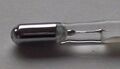 Mercury thermometer close-up
 -
 Historical image related to mercury
 -
 EPA workers cleaning up a mercury spill

,_National_Museum_of_Health_and_Medicine_(3383372640).jpg)
.jpg)

Medical Disclaimer: WikiMD is for informational purposes only and is not a substitute for professional medical advice. Content may be inaccurate or outdated and should not be used for diagnosis or treatment. Always consult your healthcare provider for medical decisions. Verify information with trusted sources such as CDC.gov and NIH.gov. By using this site, you agree that WikiMD is not liable for any outcomes related to its content. See full disclaimer.
Credits:Most images are courtesy of Wikimedia commons, and templates, categories Wikipedia, licensed under CC BY SA or similar.
Translate page: - East Asian
中文,
日本,
한국어,
South Asian
हिन्दी,
தமிழ்,
తెలుగు,
Urdu,
ಕನ್ನಡ,
Southeast Asian
Indonesian,
Vietnamese,
Thai,
မြန်မာဘာသာ,
বাংলা
European
español,
Deutsch,
français,
Greek,
português do Brasil,
polski,
română,
русский,
Nederlands,
norsk,
svenska,
suomi,
Italian
Middle Eastern & African
عربى,
Turkish,
Persian,
Hebrew,
Afrikaans,
isiZulu,
Kiswahili,
Other
Bulgarian,
Hungarian,
Czech,
Swedish,
മലയാളം,
मराठी,
ਪੰਜਾਬੀ,
ગુજરાતી,
Portuguese,
Ukrainian

