Meal, Ready-to-Eat
The Meal, Ready-to-Eat (MRE) is a self-contained, individual field ration in lightweight packaging bought by the United States military for its service members for use in combat or other field conditions where organized food facilities are not available.
History[edit]
The MRE replaced the canned Meal, Combat, Individual ration (MCI), or C Rations, in 1981. The MRE has been in continual development since its introduction. In 1990, flameless ration heaters were introduced. In 1996, second generation MREs were introduced, with new menu items and packaging.
Contents[edit]
Each MRE provides an average of 1,250 calories (13% protein, 36% fat, and 51% carbohydrates) and one-third of the Military Recommended Daily Allowance of vitamins and minerals. A full day’s worth of meals would consist of three MREs.
Packaging[edit]
The packaging of an MRE is designed to withstand rough conditions and exposure to the elements. Inside each meal bag is an entree and a variety of other food and drink items. MRE packages don't require refrigeration and can be stored for long periods of time.
Use[edit]
MREs are used by the U.S. military and by NASA for its astronauts during space travel. They are also used by disaster relief organizations and survivalists.
Criticism[edit]
Despite their convenience, MREs have been criticized for their taste and nutritional content. However, the military has made efforts to improve the taste, texture, and nutritional content of MREs.
See also[edit]
References[edit]
External links[edit]
- MREInfo.com
- Defense Supply Center Philadelphia MRE page
Meal, Ready-to-Eat[edit]
-
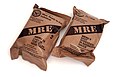 MRE 7862
 -
 MRE Menu 2 P8152664
 -
 Flameless Ration Heater 8092
 -
 FEMA - 31467 - Meals Ready to Eat (MREs) in Rhode Island
 -
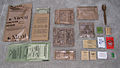 MRE contents
 -
 MRE Coats


_in_Rhode_Island.jpg)


Medical Disclaimer: WikiMD is for informational purposes only and is not a substitute for professional medical advice. Content may be inaccurate or outdated and should not be used for diagnosis or treatment. Always consult your healthcare provider for medical decisions. Verify information with trusted sources such as CDC.gov and NIH.gov. By using this site, you agree that WikiMD is not liable for any outcomes related to its content. See full disclaimer.
Credits:Most images are courtesy of Wikimedia commons, and templates, categories Wikipedia, licensed under CC BY SA or similar.
Translate page: - East Asian
中文,
日本,
한국어,
South Asian
हिन्दी,
தமிழ்,
తెలుగు,
Urdu,
ಕನ್ನಡ,
Southeast Asian
Indonesian,
Vietnamese,
Thai,
မြန်မာဘာသာ,
বাংলা
European
español,
Deutsch,
français,
Greek,
português do Brasil,
polski,
română,
русский,
Nederlands,
norsk,
svenska,
suomi,
Italian
Middle Eastern & African
عربى,
Turkish,
Persian,
Hebrew,
Afrikaans,
isiZulu,
Kiswahili,
Other
Bulgarian,
Hungarian,
Czech,
Swedish,
മലയാളം,
मराठी,
ਪੰਜਾਬੀ,
ગુજરાતી,
Portuguese,
Ukrainian

