Lipstick
Lipstick[edit]

Lipstick is a cosmetic product containing pigments, oils, waxes, and emollients that apply color, texture, and protection to the lips. Many varieties of lipstick exist, including matte, satin, and gloss finishes. Lipstick is often used to enhance the appearance of the lips, adding color and sometimes texture.
History[edit]
The use of lipstick dates back to ancient civilizations. The earliest known use of lipstick was by the Sumerians, who crushed gemstones and used them to decorate their lips and faces. In ancient Egypt, both men and women used lipstick made from a combination of red ochre and iron oxide.
During the Elizabethan era, bright red lips and a stark white face became fashionable. Queen Elizabeth I was known for her red lips, which were achieved using a mixture of beeswax and red plant-based dyes.
In the 20th century, lipstick became a symbol of femininity and fashion. The invention of the swivel-up tube in 1923 made lipstick more accessible and portable.
Composition[edit]
Lipstick is composed of a variety of ingredients, each serving a specific purpose:
- Waxes: Provide structure and shape. Common waxes include beeswax, candelilla wax, and carnauba wax.
- Oils: Add moisture and shine. Popular oils include castor oil, olive oil, and mineral oil.
- Pigments: Provide color. These can be natural or synthetic.
- Emollients: Soften and hydrate the lips.
Types of Lipstick[edit]

Lipsticks come in various types, each offering different finishes and effects:
- Matte: Offers a flat, non-shiny finish. Known for its long-lasting properties.
- Satin: Provides a slight sheen and is more moisturizing than matte.
- Gloss: Gives a shiny, wet look and is often less pigmented.
- Sheer: Offers a light wash of color, often with a glossy finish.
- Cream: Balances between matte and gloss, providing rich color with a creamy texture.
Cultural Significance[edit]
Lipstick has played a significant role in cultural and social contexts. During World War II, lipstick was seen as a morale booster for women. In the 1950s, actresses like Elizabeth Taylor and Marilyn Monroe popularized bold red lips.

In contemporary times, lipstick is used by people of all genders and is a staple in many makeup routines. It is also used in various subcultures, such as goth and punk, where black lipstick is popular.
Application Techniques[edit]
Applying lipstick can be an art form. Common techniques include:
- Lining: Using a lip liner to define the edges of the lips.
- Filling: Applying lipstick within the lined area.
- Blotting: Pressing lips together on a tissue to remove excess product.
Related Pages[edit]

Gallery[edit]
-
 MAC pink lipstick
 -
 Woman applying lipstick in a park
 -
 Marilyn Manson with lipstick
 -
 Taylor Swift wearing lipstick
 -
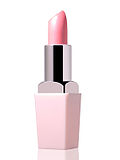 Various lipstick shades
.jpg)
_(cropped).jpg)


Ad. Transform your life with W8MD's
GLP-1 weight loss injections special from $29.99 with insurance
|
WikiMD Medical Encyclopedia |
Medical Disclaimer: WikiMD is for informational purposes only and is not a substitute for professional medical advice. Content may be inaccurate or outdated and should not be used for diagnosis or treatment. Always consult your healthcare provider for medical decisions. Verify information with trusted sources such as CDC.gov and NIH.gov. By using this site, you agree that WikiMD is not liable for any outcomes related to its content. See full disclaimer.
Credits:Most images are courtesy of Wikimedia commons, and templates, categories Wikipedia, licensed under CC BY SA or similar.
Translate this page: - East Asian
中文,
日本,
한국어,
South Asian
हिन्दी,
தமிழ்,
తెలుగు,
Urdu,
ಕನ್ನಡ,
Southeast Asian
Indonesian,
Vietnamese,
Thai,
မြန်မာဘာသာ,
বাংলা
European
español,
Deutsch,
français,
Greek,
português do Brasil,
polski,
română,
русский,
Nederlands,
norsk,
svenska,
suomi,
Italian
Middle Eastern & African
عربى,
Turkish,
Persian,
Hebrew,
Afrikaans,
isiZulu,
Kiswahili,
Other
Bulgarian,
Hungarian,
Czech,
Swedish,
മലയാളം,
मराठी,
ਪੰਜਾਬੀ,
ગુજરાતી,
Portuguese,
Ukrainian
