Komagataeibacter xylinus
Komagataeibacter xylinus is a species of bacteria belonging to the genus Komagataeibacter, which is part of the family Acetobacteraceae. This bacterium is known for its ability to produce cellulose, a complex carbohydrate that is the primary component of plant cell walls.
Taxonomy[edit]
Komagataeibacter xylinus was previously known as Acetobacter xylinum and Gluconacetobacter xylinus. The reclassification to the current name was proposed in 2012 based on phylogenetic studies. The genus name Komagataeibacter is in honor of Japanese microbiologist Kazuo Komagata, while the species name xylinus refers to its ability to produce xylan, a type of hemicellulose.
Characteristics[edit]
Komagataeibacter xylinus is a Gram-negative, aerobic, rod-shaped bacterium. It is acetic acid bacteria, meaning it can oxidize sugars, alcohols, and other compounds into acetic acid.
Cellulose Production[edit]
The most notable characteristic of Komagataeibacter xylinus is its ability to produce bacterial cellulose. This is a form of cellulose that is purer and has different physical properties compared to plant cellulose. Bacterial cellulose has a wide range of applications, including in the food industry, paper industry, and biomedical field.
Applications[edit]
In the food industry, Komagataeibacter xylinus is used in the production of Nata de coco, a chewy, translucent dessert made from coconut water. The bacterium ferments the sugars in the coconut water into cellulose, which forms a gel-like substance.
In the biomedical field, bacterial cellulose produced by Komagataeibacter xylinus is used in wound dressings due to its high water-holding capacity, biocompatibility, and ability to promote healing. It is also being researched for use in tissue engineering and regenerative medicine.
See also[edit]
References[edit]

 | This bacteria-related article is a stub. You can help WikiMD by expanding the page. |
-
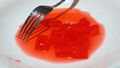 Nata de coco (Philippines)
.jpg)

Medical Disclaimer: WikiMD is for informational purposes only and is not a substitute for professional medical advice. Content may be inaccurate or outdated and should not be used for diagnosis or treatment. Always consult your healthcare provider for medical decisions. Verify information with trusted sources such as CDC.gov and NIH.gov. By using this site, you agree that WikiMD is not liable for any outcomes related to its content. See full disclaimer.
Credits:Most images are courtesy of Wikimedia commons, and templates, categories Wikipedia, licensed under CC BY SA or similar.
Translate page: - East Asian
中文,
日本,
한국어,
South Asian
हिन्दी,
தமிழ்,
తెలుగు,
Urdu,
ಕನ್ನಡ,
Southeast Asian
Indonesian,
Vietnamese,
Thai,
မြန်မာဘာသာ,
বাংলা
European
español,
Deutsch,
français,
Greek,
português do Brasil,
polski,
română,
русский,
Nederlands,
norsk,
svenska,
suomi,
Italian
Middle Eastern & African
عربى,
Turkish,
Persian,
Hebrew,
Afrikaans,
isiZulu,
Kiswahili,
Other
Bulgarian,
Hungarian,
Czech,
Swedish,
മലയാളം,
मराठी,
ਪੰਜਾਬੀ,
ગુજરાતી,
Portuguese,
Ukrainian

