Hexapropymate
Hexapropymate is a sedative and hypnotic medication in the pyrithyldione group of drugs. It is used in the treatment of insomnia and other sleep disorders. Hexapropymate is also used as a premedication before surgery to induce sedation and reduce anxiety.
Pharmacology[edit]
Hexapropymate acts by enhancing the action of the neurotransmitter gamma-aminobutyric acid (GABA) in the brain. GABA is an inhibitory neurotransmitter, which means it reduces the activity of the neurons to which it binds. By enhancing the action of GABA, hexapropymate helps to calm the brain and induce sleep.
Side effects[edit]
Common side effects of hexapropymate include drowsiness, dizziness, and confusion. Less common side effects can include memory problems, depression, and hallucinations. In rare cases, hexapropymate can cause severe allergic reactions, including anaphylaxis.
Contraindications[edit]
Hexapropymate is contraindicated in patients with known hypersensitivity to the drug or any of its components. It is also contraindicated in patients with severe liver disease, acute narrow-angle glaucoma, and in patients who are pregnant or breastfeeding.
Interactions[edit]
Hexapropymate can interact with other medications, including other sedatives, hypnotics, and alcohol. These interactions can increase the sedative effects of hexapropymate and increase the risk of side effects.
See also[edit]

This WikiMD article can only be edited by registered and verified editors. You can log in or register.
-
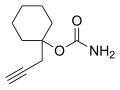 Hexapropymate
 -
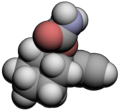 Hexapropymate


Medical Disclaimer: WikiMD is for informational purposes only and is not a substitute for professional medical advice. Content may be inaccurate or outdated and should not be used for diagnosis or treatment. Always consult your healthcare provider for medical decisions. Verify information with trusted sources such as CDC.gov and NIH.gov. By using this site, you agree that WikiMD is not liable for any outcomes related to its content. See full disclaimer.
Credits:Most images are courtesy of Wikimedia commons, and templates, categories Wikipedia, licensed under CC BY SA or similar.
Translate page: - East Asian
中文,
日本,
한국어,
South Asian
हिन्दी,
தமிழ்,
తెలుగు,
Urdu,
ಕನ್ನಡ,
Southeast Asian
Indonesian,
Vietnamese,
Thai,
မြန်မာဘာသာ,
বাংলা
European
español,
Deutsch,
français,
Greek,
português do Brasil,
polski,
română,
русский,
Nederlands,
norsk,
svenska,
suomi,
Italian
Middle Eastern & African
عربى,
Turkish,
Persian,
Hebrew,
Afrikaans,
isiZulu,
Kiswahili,
Other
Bulgarian,
Hungarian,
Czech,
Swedish,
മലയാളം,
मराठी,
ਪੰਜਾਬੀ,
ગુજરાતી,
Portuguese,
Ukrainian

