Haemophilus ducreyi
Haemophilus ducreyi is a bacteria that is responsible for the sexually transmitted infection known as chancroid. This bacterium is gram-negative and is characterized by its ability to form colonies on selective media.
Overview[edit]
Haemophilus ducreyi is a fastidious gram-negative coccobacillus which is known to cause chancroid, a sexually transmitted bacterial infection. This bacterium is not part of the normal human flora and is most commonly found in developing countries and among populations with high-risk sexual behaviors.
Pathogenesis[edit]
The pathogenesis of Haemophilus ducreyi is not completely understood. However, it is known that the bacterium produces a toxin that kills human cells and damages tissue. The bacterium also has a capsule that helps it evade the immune system.
Clinical Features[edit]
The primary symptom of a Haemophilus ducreyi infection is the formation of a painful genital ulcer, known as a chancroid. Other symptoms can include painful lymph nodes in the groin area, and in rare cases, the bacteria can spread to the blood causing a systemic infection.
Diagnosis[edit]
Diagnosis of Haemophilus ducreyi infection is typically made by isolating the bacterium from a sample taken from the ulcer. This can be done using a culture or a polymerase chain reaction (PCR) test.
Treatment[edit]
Treatment for Haemophilus ducreyi infection typically involves antibiotics. The most commonly used antibiotics are azithromycin, ceftriaxone, ciprofloxacin, and erythromycin.
Prevention[edit]
Prevention of Haemophilus ducreyi infection involves practicing safe sex, including the use of condoms. In areas where the bacterium is common, public health measures such as education and screening programs can also be effective.

This WikiMD article can only be edited by registered and verified editors. You can log in or register.
-
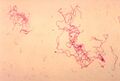 Haemophilus ducreyi


Medical Disclaimer: WikiMD is for informational purposes only and is not a substitute for professional medical advice. Content may be inaccurate or outdated and should not be used for diagnosis or treatment. Always consult your healthcare provider for medical decisions. Verify information with trusted sources such as CDC.gov and NIH.gov. By using this site, you agree that WikiMD is not liable for any outcomes related to its content. See full disclaimer.
Credits:Most images are courtesy of Wikimedia commons, and templates, categories Wikipedia, licensed under CC BY SA or similar.
Translate page: - East Asian
中文,
日本,
한국어,
South Asian
हिन्दी,
தமிழ்,
తెలుగు,
Urdu,
ಕನ್ನಡ,
Southeast Asian
Indonesian,
Vietnamese,
Thai,
မြန်မာဘာသာ,
বাংলা
European
español,
Deutsch,
français,
Greek,
português do Brasil,
polski,
română,
русский,
Nederlands,
norsk,
svenska,
suomi,
Italian
Middle Eastern & African
عربى,
Turkish,
Persian,
Hebrew,
Afrikaans,
isiZulu,
Kiswahili,
Other
Bulgarian,
Hungarian,
Czech,
Swedish,
മലയാളം,
मराठी,
ਪੰਜਾਬੀ,
ગુજરાતી,
Portuguese,
Ukrainian

