GM2 (ganglioside)
GM2 (ganglioside) is a type of ganglioside, a glycosphingolipid that plays a critical role in the cell membrane structure and function. GM2 is particularly significant in the nervous system, where it contributes to the complexity and functionality of neural membranes. This ganglioside consists of a ceramide backbone linked to a complex carbohydrate moiety, which includes sialic acid, making it a negatively charged molecule at physiological pH.
Structure and Function[edit]
The structure of GM2 ganglioside is characterized by its ceramide base and an oligosaccharide chain. The oligosaccharide of GM2 contains one sialic acid molecule, which distinguishes it from other gangliosides. This structure is crucial for its function in the nervous system, where it participates in cell-to-cell recognition, signal transduction, and modulation of cell growth and differentiation.
In the nervous system, GM2 gangliosides are predominantly found in the neuronal cell membranes and are involved in the modulation of synaptic transmission and neuroplasticity. They are also essential for the development and maintenance of the central nervous system.
GM2 Gangliosidosis[edit]
A significant aspect of GM2 ganglioside is its role in a group of genetic disorders known as GM2 gangliosidoses. These disorders result from the accumulation of GM2 gangliosides in the lysosomes of nerve cells, leading to neurodegeneration. The most common forms of GM2 gangliosidosis are Tay-Sachs disease and Sandhoff disease, both of which are characterized by a deficiency in the enzymes required for the degradation of GM2 gangliosides.
Tay-Sachs Disease[edit]
Tay-Sachs disease is caused by a deficiency in the enzyme hexosaminidase A, which is necessary for the breakdown of GM2 gangliosides. The disease is most prevalent among certain populations, such as the Ashkenazi Jewish community, where genetic screening and counseling have significantly reduced its incidence.
Sandhoff Disease[edit]
Sandhoff disease is a similar condition to Tay-Sachs but results from a deficiency in both hexosaminidase A and B enzymes. It is less common than Tay-Sachs and affects individuals from various ethnic backgrounds.
Diagnosis and Treatment[edit]
Diagnosis of GM2 gangliosidosis typically involves biochemical assays to measure the activity of hexosaminidase enzymes and genetic testing to identify mutations in the relevant genes. Currently, there is no cure for these conditions, and treatment focuses on managing symptoms and providing supportive care.
Research into potential treatments for GM2 gangliosidosis includes enzyme replacement therapy, gene therapy, and substrate reduction therapy. These approaches aim to restore the normal breakdown of GM2 gangliosides or reduce their production.
Conclusion[edit]
GM2 ganglioside plays a vital role in the nervous system's structure and function. Its involvement in GM2 gangliosidoses highlights the importance of understanding its biology for developing treatments for these devastating conditions. Ongoing research into the mechanisms of GM2 ganglioside metabolism and the pathogenesis of related disorders continues to offer hope for affected individuals and their families.

-
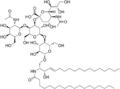 GM2 ganglioside structure
 -
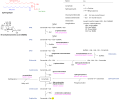 Diagram of sphingolipidoses
 -
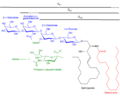 Structures of GM1, GM2, GM3 gangliosides


Medical Disclaimer: WikiMD is for informational purposes only and is not a substitute for professional medical advice. Content may be inaccurate or outdated and should not be used for diagnosis or treatment. Always consult your healthcare provider for medical decisions. Verify information with trusted sources such as CDC.gov and NIH.gov. By using this site, you agree that WikiMD is not liable for any outcomes related to its content. See full disclaimer.
Credits:Most images are courtesy of Wikimedia commons, and templates, categories Wikipedia, licensed under CC BY SA or similar.
Translate page: - East Asian
中文,
日本,
한국어,
South Asian
हिन्दी,
தமிழ்,
తెలుగు,
Urdu,
ಕನ್ನಡ,
Southeast Asian
Indonesian,
Vietnamese,
Thai,
မြန်မာဘာသာ,
বাংলা
European
español,
Deutsch,
français,
Greek,
português do Brasil,
polski,
română,
русский,
Nederlands,
norsk,
svenska,
suomi,
Italian
Middle Eastern & African
عربى,
Turkish,
Persian,
Hebrew,
Afrikaans,
isiZulu,
Kiswahili,
Other
Bulgarian,
Hungarian,
Czech,
Swedish,
മലയാളം,
मराठी,
ਪੰਜਾਬੀ,
ગુજરાતી,
Portuguese,
Ukrainian

