Floriculture
Floriculture, also known as flower farming, is a discipline of horticulture concerned with the cultivation of flowering and ornamental plants for gardens and for floral industry. It encompasses the production and trade of flowers and foliage, ranging from breeding new varieties to growing, harvesting, and marketing them. Floriculture crops include bedding plants, houseplants, flowering garden and pot plants, cut cultivated greens, and cut flowers.
Overview[edit]
Floriculture involves various processes such as breeding, propagation, cultivation, and post-harvest handling. The industry is highly dynamic, with consumer preferences influencing the types of flowers grown. Major products of floriculture include:
- Bedding plants: These are annual or perennial plants grown in beds, borders, or containers for seasonal display.
- Potted plants: These are grown in containers and include a wide range of flowering plants used indoors or for temporary outdoor display.
- Cut flowers: Flowers grown for cutting and arranging. Popular examples include roses, tulips, and lilies.
- Foliage plants: Plants grown primarily for their leaves or ornamental appearance, rather than their flowers.
Cultivation[edit]
The cultivation of floriculture crops requires specific environmental conditions, which can vary widely among different plant species. Greenhouses, polytunnels, and shade houses are commonly used to provide controlled conditions. Key factors in floriculture cultivation include:
- Light: Essential for photosynthesis, light intensity and duration must be managed to optimize growth.
- Temperature: Both air and soil temperatures affect plant growth and flowering.
- Water: Irrigation systems are used to maintain optimal soil moisture levels.
- Soil and Nutrition: Soil quality and nutrient availability are crucial for healthy plant growth. Hydroponic systems are also popular in floriculture for certain crops.
Breeding and Propagation[edit]
Breeding in floriculture aims to produce new varieties with desirable traits such as color, size, fragrance, and resistance to pests and diseases. Propagation can be sexual, through the sowing of seeds, or asexual, using methods such as cuttings, division, and tissue culture.
Post-Harvest Handling[edit]
Post-harvest handling is critical in floriculture to maintain the quality and extend the shelf life of flowers and plants. Techniques include proper harvesting methods, temperature control, hydration, and the use of preservatives.
Floral Industry[edit]
The floral industry is a major component of the global agricultural sector, encompassing the production, distribution, and sale of cut flowers, potted plants, and other floricultural products. It includes growers, wholesalers, retailers, and florists who design and sell flower arrangements.
Challenges[edit]
Floriculture faces several challenges, including susceptibility to pests and diseases, the need for constant innovation to meet consumer demands, and environmental concerns related to pesticide use and water consumption. Sustainability practices are increasingly important in the industry.
Conclusion[edit]
Floriculture is a vibrant and diverse field that combines the beauty of nature with the science of plant cultivation. It plays a significant role in the agricultural industry, contributing to economic development, environmental sustainability, and the enrichment of human life through the beauty of flowers.
 | This agriculture article is a stub. You can help WikiMD by expanding the page. |
-
 Floriculture
 -
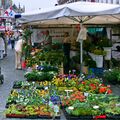 Flowers at Algemene warenmarkt, Breda, Netherlands


Sponsored Health Resource

W8MD Weight Loss, Sleep & MedSpa
Looking for physician-supervised weight loss, semaglutide, tirzepatide, or GLP-1 receptor agonist options? W8MD helps eligible patients in New York City, Brooklyn, New Jersey, Connecticut, Pennsylvania, Delaware, and greater Philadelphia with medical weight loss, sleep medicine, and long-term maintenance support.
GLP-1 specials: Affordable GLP-1 injections NYC and Philadelphia starting from $29.99/week and up for semaglutide with insurance accepted for qualifying visits, and $45/week and up for tirzepatide with insurance accepted for qualifying visits. Self-pay options start from $59.99/week and up for semaglutide and $69.99/week and up for tirzepatide.
Medical weight loss NYC | Affordable GLP-1 injections NYC | Budget GLP-1 weight loss shots Philadelphia | New Jersey medical weight loss | NYC medical weight loss | Philadelphia medical weight loss | Sleep clinic NYC | W8MD's Philadelphia GLP-1 doctor | Weight loss prescriptions NYC
Book a W8MD appointment · View GLP-1 specials
Paid promotional message. Eligibility, pricing, insurance coverage, medication availability, and results vary. Medical evaluation required.

Medical Disclaimer: WikiMD is for informational purposes only and is not a substitute for professional medical advice. Content may be inaccurate or outdated and should not be used for diagnosis or treatment. Always consult your healthcare provider for medical decisions. Verify information with trusted sources such as CDC.gov and NIH.gov. By using this site, you agree that WikiMD is not liable for any outcomes related to its content. See full disclaimer.
Credits:Most images are courtesy of Wikimedia commons, and templates, categories Wikipedia, licensed under CC BY SA or similar.
Translate page: - East Asian
中文,
日本,
한국어,
South Asian
हिन्दी,
தமிழ்,
తెలుగు,
Urdu,
ಕನ್ನಡ,
Southeast Asian
Indonesian,
Vietnamese,
Thai,
မြန်မာဘာသာ,
বাংলা
European
español,
Deutsch,
français,
Greek,
português do Brasil,
polski,
română,
русский,
Nederlands,
norsk,
svenska,
suomi,
Italian
Middle Eastern & African
عربى,
Turkish,
Persian,
Hebrew,
Afrikaans,
isiZulu,
Kiswahili,
Other
Bulgarian,
Hungarian,
Czech,
Swedish,
മലയാളം,
मराठी,
ਪੰਜਾਬੀ,
ગુજરાતી,
Portuguese,
Ukrainian

