Flight surgeon
A Flight Surgeon is a medical professional who specializes in the healthcare of aviation personnel. This can include pilots, aircrews, and astronauts. Flight surgeons are primarily responsible for maintaining the health, safety, and well-being of these individuals, both on the ground and while they are in flight.
History[edit]
The concept of a flight surgeon was first introduced during World War I, when the military recognized the need for medical professionals who understood the unique health challenges faced by pilots and aircrews. The first official flight surgeons were appointed by the United States Army Air Corps in the 1920s.
Role and Responsibilities[edit]
Flight surgeons perform a variety of roles and responsibilities, including:
- Conducting pre-flight physical examinations
- Providing in-flight medical care
- Advising pilots on health and safety issues related to flight
- Conducting research on the effects of flight on the human body
- Training and certifying other healthcare professionals in aviation medicine
Training and Certification[edit]
In order to become a flight surgeon, a medical professional must first complete a residency in a primary care specialty, such as family medicine, internal medicine, or emergency medicine. They must then complete additional training in aerospace medicine, which includes learning about the physiological and psychological effects of flight, as well as the specific health risks faced by aviation personnel.
Once this training is complete, the individual can then apply for certification as a flight surgeon through the Aerospace Medical Association or a similar professional organization.
See Also[edit]

This WikiMD article can only be edited by registered and verified editors. You can log in or register.
-
 U.S. Navy Flight Surgeon, Lt. Cmdr. Scott Carlson performs an eye examination
 -
 United States Air Force Flight Surgeon Badge
 -
 John Glenn undergoing medical examination
 -
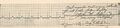 John Glenn EKG
 -
 Navy Aviation Warfare Insignia
 -
 Army Flight Surgeon Insignia


Medical Disclaimer: WikiMD is for informational purposes only and is not a substitute for professional medical advice. Content may be inaccurate or outdated and should not be used for diagnosis or treatment. Always consult your healthcare provider for medical decisions. Verify information with trusted sources such as CDC.gov and NIH.gov. By using this site, you agree that WikiMD is not liable for any outcomes related to its content. See full disclaimer.
Credits:Most images are courtesy of Wikimedia commons, and templates, categories Wikipedia, licensed under CC BY SA or similar.
Translate page: - East Asian
中文,
日本,
한국어,
South Asian
हिन्दी,
தமிழ்,
తెలుగు,
Urdu,
ಕನ್ನಡ,
Southeast Asian
Indonesian,
Vietnamese,
Thai,
မြန်မာဘာသာ,
বাংলা
European
español,
Deutsch,
français,
Greek,
português do Brasil,
polski,
română,
русский,
Nederlands,
norsk,
svenska,
suomi,
Italian
Middle Eastern & African
عربى,
Turkish,
Persian,
Hebrew,
Afrikaans,
isiZulu,
Kiswahili,
Other
Bulgarian,
Hungarian,
Czech,
Swedish,
മലയാളം,
मराठी,
ਪੰਜਾਬੀ,
ગુજરાતી,
Portuguese,
Ukrainian

