Thrombolysis
Thrombolysis is a medical treatment that involves the dissolution of blood clots using medication. It is often used in the treatment of stroke, myocardial infarction (heart attack), and pulmonary embolism.
Overview[edit]
Thrombolysis is a procedure that is used to improve blood flow in the body. It involves the use of drugs known as thrombolytics, which are designed to dissolve clots that have formed in the blood vessels. These clots can cause serious health problems, such as stroke, heart attack, and pulmonary embolism, if they are not treated promptly.
Procedure[edit]
The thrombolysis procedure is typically performed in a hospital setting. The patient is given a thrombolytic drug, which is usually administered intravenously. The drug works by breaking down the clot, allowing blood to flow more freely through the affected vessel.
Risks and Complications[edit]
While thrombolysis can be a life-saving procedure, it is not without risks. The most common complication is bleeding, which can occur at the site of the injection or in other parts of the body. Other potential complications include allergic reactions to the thrombolytic drug, and re-formation of the clot.
See Also[edit]
References[edit]

This WikiMD article can only be edited by registered and verified editors. You can log in or register.
Thrombolysis[edit]
-
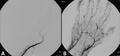 Angiograph before and after thrombolytic therapy in a case of thrombosis on the hand


Medical Disclaimer: WikiMD is for informational purposes only and is not a substitute for professional medical advice. Content may be inaccurate or outdated and should not be used for diagnosis or treatment. Always consult your healthcare provider for medical decisions. Verify information with trusted sources such as CDC.gov and NIH.gov. By using this site, you agree that WikiMD is not liable for any outcomes related to its content. See full disclaimer.
Credits:Most images are courtesy of Wikimedia commons, and templates, categories Wikipedia, licensed under CC BY SA or similar.
Translate page: - East Asian
中文,
日本,
한국어,
South Asian
हिन्दी,
தமிழ்,
తెలుగు,
Urdu,
ಕನ್ನಡ,
Southeast Asian
Indonesian,
Vietnamese,
Thai,
မြန်မာဘာသာ,
বাংলা
European
español,
Deutsch,
français,
Greek,
português do Brasil,
polski,
română,
русский,
Nederlands,
norsk,
svenska,
suomi,
Italian
Middle Eastern & African
عربى,
Turkish,
Persian,
Hebrew,
Afrikaans,
isiZulu,
Kiswahili,
Other
Bulgarian,
Hungarian,
Czech,
Swedish,
മലയാളം,
मराठी,
ਪੰਜਾਬੀ,
ગુજરાતી,
Portuguese,
Ukrainian

