Ephedra distachya
Ephedra distachya, commonly known as joint pine or Mormon tea, is a species of Ephedra native to Eurasia. This plant is part of the Ephedraceae family, which is known for its medicinal properties and historical use in traditional medicine systems across the world. Ephedra distachya is a shrub that typically grows in sandy or rocky soils in temperate climates.
Description[edit]
Ephedra distachya is a perennial shrub that can reach up to 1 meter in height. It has slender, green to yellow-green branches that are segmented and appear jointed. The leaves are reduced to scales and grow in opposite pairs at the nodes. The plant is dioecious, meaning it has separate male and female plants. The male cones are yellow and small, while the female cones are slightly larger and contain one seed each.
Habitat and Distribution[edit]
Ephedra distachya is found in a wide range of habitats, from dry, sandy plains to rocky hillsides. It is native to parts of Europe and Asia, including the Mediterranean region, the Balkans, the Caucasus, and Central Asia. The plant prefers sunny locations and well-drained soils.
Uses[edit]
Historically, Ephedra distachya and other Ephedra species have been used in traditional medicine for thousands of years. The primary use has been as a stimulant and decongestant, due to the presence of ephedrine, a compound that can affect the sympathetic nervous system. Ephedrine has been used to treat a variety of conditions, including asthma, nasal congestion, and cold symptoms. However, due to safety concerns related to the cardiovascular system, the use of ephedrine-containing products is now regulated in many countries.
In addition to medicinal uses, Ephedra distachya has been used in the production of herbal teas, which are often referred to as Mormon tea or Indian tea in North America. These teas are made from the stems of the plant and are believed to have mild stimulant effects.
Cultivation[edit]
Ephedra distachya can be cultivated in gardens as an ornamental plant or for its medicinal properties. It requires a sunny position and well-drained soil. The plant is drought-tolerant and can thrive in poor soils, making it a suitable choice for xeriscaping. Propagation is typically done through seeds or division of the roots.
Safety and Regulation[edit]
The use of Ephedra distachya and other Ephedra species in dietary supplements and traditional medicines has been a subject of controversy due to the potential for serious side effects, including heart attack, stroke, and death. As a result, many countries have regulations in place to control the sale and use of ephedrine-containing products. Consumers should exercise caution and consult healthcare professionals before using products containing Ephedra.
See Also[edit]
 | This medical article is a stub. You can help WikiMD by expanding the page. |
-
 Ephedra distachya with cones
 -
 Illustration of Ephedra distachya
 -
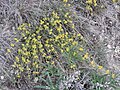 Ephedra distachya male plant in bloom
 -
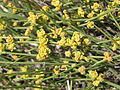 Ephedra distachya male flowers
 -
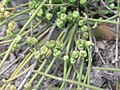 Ephedra distachya female flowers
 -
 Ephedra distachya cones
 -
 Ephedra distachya berries
 -
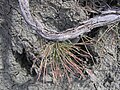 Ephedra distachya rhizome
_2011_1.jpg)

.jpg)
_2.jpg)
.jpg)
_2011_3.jpg)

_2011_1.jpg)

Medical Disclaimer: WikiMD is for informational purposes only and is not a substitute for professional medical advice. Content may be inaccurate or outdated and should not be used for diagnosis or treatment. Always consult your healthcare provider for medical decisions. Verify information with trusted sources such as CDC.gov and NIH.gov. By using this site, you agree that WikiMD is not liable for any outcomes related to its content. See full disclaimer.
Credits:Most images are courtesy of Wikimedia commons, and templates, categories Wikipedia, licensed under CC BY SA or similar.
Translate page: - East Asian
中文,
日本,
한국어,
South Asian
हिन्दी,
தமிழ்,
తెలుగు,
Urdu,
ಕನ್ನಡ,
Southeast Asian
Indonesian,
Vietnamese,
Thai,
မြန်မာဘာသာ,
বাংলা
European
español,
Deutsch,
français,
Greek,
português do Brasil,
polski,
română,
русский,
Nederlands,
norsk,
svenska,
suomi,
Italian
Middle Eastern & African
عربى,
Turkish,
Persian,
Hebrew,
Afrikaans,
isiZulu,
Kiswahili,
Other
Bulgarian,
Hungarian,
Czech,
Swedish,
മലയാളം,
मराठी,
ਪੰਜਾਬੀ,
ગુજરાતી,
Portuguese,
Ukrainian

