Emergency childbirth
Emergency childbirth refers to the delivery of a baby that occurs in a situation outside of the planned medical environment, such as a hospital or birthing center, often without professional medical assistance. This can happen due to the rapid progression of labor, unexpected circumstances, or the lack of access to healthcare facilities. Being prepared for emergency childbirth is crucial for the safety of both the mother and the baby.
Causes[edit]
Emergency childbirth may occur due to several reasons, including:
- Unexpectedly rapid labor, where the baby is born before reaching the hospital or birthing center.
- Inaccessibility to healthcare facilities due to geographical isolation.
- Sudden and unforeseen circumstances, such as natural disasters, that prevent reaching medical help in time.
Preparation[edit]
Preparation for emergency childbirth involves understanding the basic steps of delivery and having essential supplies ready. Supplies might include clean towels, blankets, a clean sharp instrument for cutting the umbilical cord, and a bulb syringe for clearing the baby's airways.
Steps for Emergency Childbirth[edit]
- Call for Help: Always call emergency services or a healthcare provider for guidance and to alert them of the situation.
- Make the Mother Comfortable: Find a clean, safe, and comfortable place for the mother to lie down.
- Wash Hands: Anyone assisting should wash their hands thoroughly to prevent infection.
- Monitor Contractions: Keep track of the duration and frequency of contractions.
- Assist with Breathing: Encourage the mother to breathe deeply and slowly during contractions.
- Delivery: Support the baby's head and shoulders as they emerge. Ensure that the baby's mouth and nose are clear of fluids.
- Umbilical Cord: Do not rush to cut the umbilical cord. Wait for professional medical personnel if possible.
- Aftercare: Keep the mother and baby warm and continue to monitor their condition until medical help arrives.
Complications[edit]
Complications in emergency childbirth can include prolonged labor, breech birth (where the baby is positioned feet-first), and postpartum hemorrhage. Immediate medical attention is necessary to manage these complications effectively.
Legal Considerations[edit]
In many jurisdictions, individuals who assist in emergency childbirth are protected under Good Samaritan laws, provided they act in good faith and within the scope of their knowledge and abilities.
See Also[edit]
External Links[edit]
- World Health Organization (WHO): Guidelines on basic newborn resuscitation.
- American Heart Association: Guidelines for Cardiopulmonary Resuscitation (CPR) and Emergency Cardiovascular Care (ECC).
 | This medical article is a stub. You can help WikiMD by expanding the page. |
-
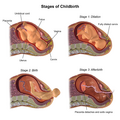 Stages of Childbirth
 -
 Frank Breech
 -
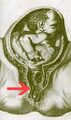 Cord Prolapse
 -
 Emergency childbirth


Medical Disclaimer: WikiMD is for informational purposes only and is not a substitute for professional medical advice. Content may be inaccurate or outdated and should not be used for diagnosis or treatment. Always consult your healthcare provider for medical decisions. Verify information with trusted sources such as CDC.gov and NIH.gov. By using this site, you agree that WikiMD is not liable for any outcomes related to its content. See full disclaimer.
Credits:Most images are courtesy of Wikimedia commons, and templates, categories Wikipedia, licensed under CC BY SA or similar.
Translate page: - East Asian
中文,
日本,
한국어,
South Asian
हिन्दी,
தமிழ்,
తెలుగు,
Urdu,
ಕನ್ನಡ,
Southeast Asian
Indonesian,
Vietnamese,
Thai,
မြန်မာဘာသာ,
বাংলা
European
español,
Deutsch,
français,
Greek,
português do Brasil,
polski,
română,
русский,
Nederlands,
norsk,
svenska,
suomi,
Italian
Middle Eastern & African
عربى,
Turkish,
Persian,
Hebrew,
Afrikaans,
isiZulu,
Kiswahili,
Other
Bulgarian,
Hungarian,
Czech,
Swedish,
മലയാളം,
मराठी,
ਪੰਜਾਬੀ,
ગુજરાતી,
Portuguese,
Ukrainian

