Electrical wiring
Introduction[edit]
Electrical wiring is a crucial aspect of any building's infrastructure, providing the necessary power and connectivity for various electrical devices and systems. It involves the installation of conductors, cables, and other components to safely transmit electricity from the power source to the intended destinations. This article will delve into the various aspects of electrical wiring, including its history, types, safety considerations, and common practices.
History[edit]
The history of electrical wiring can be traced back to the late 19th century when electricity started to become a widely used source of power. Initially, electrical wiring was rudimentary, consisting of simple conductors and insulators. However, with advancements in technology and safety standards, electrical wiring systems have evolved significantly over the years.
Types of Electrical Wiring[edit]
There are several types of electrical wiring used in different applications. The choice of wiring depends on factors such as the intended use, building codes, and safety requirements. Some common types of electrical wiring include:
Knob and tube wiring[edit]
Knob and tube wiring was commonly used in residential buildings from the late 19th century until the 1930s. It consists of ceramic knobs and tubes that support and protect the wires. However, due to safety concerns and outdated design, knob and tube wiring is no longer used in modern construction.
Non-metallic sheathed cable[edit]
Non-metallic sheathed cable, also known as Romex, is one of the most commonly used types of electrical wiring in residential and commercial buildings. It consists of insulated wires encased in a plastic sheath, providing protection against moisture and physical damage.
Conduit wiring[edit]
Conduit wiring involves the use of metal or plastic conduits to protect and route electrical wires. It is commonly used in industrial and commercial settings where durability and flexibility are essential. Conduit wiring provides excellent protection against physical damage and is often required by building codes in certain applications.
Safety Considerations[edit]
Safety is of utmost importance when it comes to electrical wiring. Improper installation or maintenance can lead to electrical hazards, including electric shocks, fires, and damage to electrical devices. Here are some essential safety considerations:
Grounding[edit]
Proper grounding is crucial to ensure the safety of electrical systems. Grounding provides a path for electrical current to flow safely into the ground in the event of a fault or surge. It helps prevent electric shocks and protects electrical devices from damage.
Overcurrent protection[edit]
Overcurrent protection devices, such as circuit breakers and fuses, are essential in electrical wiring systems. They help prevent excessive current flow, which can lead to overheating and potential fire hazards. These devices should be properly sized and installed according to the electrical load requirements.
Proper insulation[edit]
Insulation is vital to protect electrical wires from physical damage and prevent electrical leakage. Wires should be insulated with materials that meet the necessary safety standards and building codes.
Common Practices[edit]
When it comes to electrical wiring, there are several common practices that ensure proper installation and maintenance. These practices include:
Proper wire sizing[edit]
Choosing the correct wire size is crucial to prevent overheating and ensure efficient electrical transmission. Wire sizing depends on factors such as the electrical load, distance, and voltage drop considerations.
Color coding[edit]
Color coding of wires helps identify their purpose and ensures proper connection during installation and troubleshooting. Different colors are used to represent hot wires, neutral wires, and ground wires.
Regular inspections and maintenance[edit]
Regular inspections and maintenance are essential to identify any potential issues or hazards in electrical wiring systems. This includes checking for loose connections, damaged insulation, and outdated components.
Conclusion[edit]
Electrical wiring plays a vital role in providing power and connectivity in buildings. Understanding the different types of wiring, safety considerations, and common practices is crucial for ensuring the safe and efficient operation of electrical systems. By following proper installation and maintenance procedures, we can ensure the longevity and reliability of electrical wiring in various applications.
See Also[edit]
- Electrical safety
- Electrical conduit
- Electrical wiring diagram
- Electrical engineering
- Electrical code
-
 Electrical wiring
 -
 Electrical wiring
 -
 Electrical wiring
 -
 Electrical wiring
 -
 Electrical wiring
 -
 Electrical wiring
 -
 Electrical wiring
 -
 Electrical wiring
 -
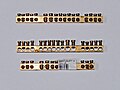 Electrical wiring
 -
 Electrical wiring
 -
 Electrical wiring
 -
 Electrical wiring


Ad. Transform your health with W8MD Weight Loss, Sleep & MedSpa

Tired of being overweight?
Special offer:
Budget GLP-1 weight loss medications
- Semaglutide starting from $29.99/week and up with insurance for visit of $59.99 and up per week self pay.
- Tirzepatide starting from $45.00/week and up (dose dependent) or $69.99/week and up self pay
✔ Same-week appointments, evenings & weekends
Learn more:
- GLP-1 weight loss clinic NYC
- W8MD's NYC medical weight loss
- W8MD Philadelphia GLP-1 shots
- Philadelphia GLP-1 injections
- Affordable GLP-1 shots NYC
|
WikiMD Medical Encyclopedia |
Medical Disclaimer: WikiMD is for informational purposes only and is not a substitute for professional medical advice. Content may be inaccurate or outdated and should not be used for diagnosis or treatment. Always consult your healthcare provider for medical decisions. Verify information with trusted sources such as CDC.gov and NIH.gov. By using this site, you agree that WikiMD is not liable for any outcomes related to its content. See full disclaimer.
Credits:Most images are courtesy of Wikimedia commons, and templates, categories Wikipedia, licensed under CC BY SA or similar.
Translate this page: - East Asian
中文,
日本,
한국어,
South Asian
हिन्दी,
தமிழ்,
తెలుగు,
Urdu,
ಕನ್ನಡ,
Southeast Asian
Indonesian,
Vietnamese,
Thai,
မြန်မာဘာသာ,
বাংলা
European
español,
Deutsch,
français,
Greek,
português do Brasil,
polski,
română,
русский,
Nederlands,
norsk,
svenska,
suomi,
Italian
Middle Eastern & African
عربى,
Turkish,
Persian,
Hebrew,
Afrikaans,
isiZulu,
Kiswahili,
Other
Bulgarian,
Hungarian,
Czech,
Swedish,
മലയാളം,
मराठी,
ਪੰਜਾਬੀ,
ગુજરાતી,
Portuguese,
Ukrainian
