ENU
Encephalitis
Encephalitis is an acute inflammation of the brain. It is a serious condition that can be life-threatening and requires prompt medical attention. The inflammation can be caused by a variety of factors, including viral infections, bacterial infections, autoimmune diseases, and other inflammatory processes.
Causes[edit]
The most common cause of encephalitis is viral infection. Several viruses are known to cause encephalitis, including:
- Herpes Simplex Virus (HSV): This is the most common cause of severe viral encephalitis in adults. HSV-1 is typically responsible for encephalitis, while HSV-2 is more commonly associated with meningitis.
- Arboviruses: These are viruses transmitted by arthropods, such as mosquitoes and ticks. Examples include the West Nile virus, Japanese encephalitis virus, and tick-borne encephalitis virus.
- Enteroviruses: These include poliovirus, coxsackievirus, and echovirus.
- Rabies Virus: This is a rare cause of encephalitis, usually following a bite from an infected animal.
Bacterial infections, such as those caused by Mycobacterium tuberculosis, can also lead to encephalitis, although this is less common. Autoimmune encephalitis occurs when the body's immune system mistakenly attacks healthy brain tissue.
Symptoms[edit]
The symptoms of encephalitis can vary widely depending on the cause and severity of the inflammation. Common symptoms include:
- Fever
- Headache
- Confusion
- Seizures
- Sensory changes
- Weakness or paralysis
- Loss of consciousness
In severe cases, encephalitis can lead to coma or death.
Diagnosis[edit]
Diagnosing encephalitis typically involves a combination of clinical evaluation, laboratory tests, and imaging studies. Key diagnostic tools include:
- Lumbar Puncture: This procedure involves collecting cerebrospinal fluid (CSF) to look for signs of infection or inflammation.
- Magnetic Resonance Imaging (MRI): MRI scans can reveal inflammation and other abnormalities in the brain.
- Electroencephalogram (EEG): This test measures electrical activity in the brain and can help identify seizures or other abnormalities.
- Blood Tests: These can help identify infectious agents or autoimmune markers.
Treatment[edit]
Treatment for encephalitis depends on the underlying cause. Antiviral medications, such as acyclovir, are used to treat viral encephalitis caused by herpes simplex virus. In cases of autoimmune encephalitis, immunosuppressive therapies, such as corticosteroids or intravenous immunoglobulin (IVIG), may be used.
Supportive care is crucial and may include:
- Hospitalization: Patients with severe symptoms often require intensive care.
- Fluid and Electrolyte Management: To prevent dehydration and maintain balance.
- Anticonvulsants: To control seizures.
Prognosis[edit]
The prognosis for encephalitis varies depending on the cause, severity, and timeliness of treatment. Some patients recover fully, while others may experience long-term neurological deficits. Early diagnosis and treatment are critical for improving outcomes.
Prevention[edit]
Preventive measures for encephalitis focus on reducing the risk of infection. These include:
- Vaccination: Vaccines are available for some viruses that cause encephalitis, such as Japanese encephalitis and rabies.
- Mosquito and Tick Control: Using insect repellent and wearing protective clothing can reduce the risk of arbovirus infections.
- Safe Practices: Avoiding contact with wild animals and practicing good hygiene can help prevent infections.
See Also[edit]
References[edit]
- "Encephalitis." Mayo Clinic, www.mayoclinic.org/diseases-conditions/encephalitis.
- "Viral Encephalitis." CDC, www.cdc.gov/encephalitis/viral.html.
External Links[edit]
- [World Health Organization - Encephalitis](https://www.who.int/news-room/fact-sheets/detail/encephalitis)
-
 ENU
ENU -
 Overview of ENU mutagenesis
 -
 Types of genetic screens
 -
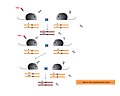 Non-complementation screen
 -
Deletion screen
-
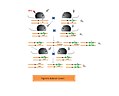 Balancer chromosome screen
 -
 Conventional genetic screen
 -
Modifier screen


Ad. Transform your life with W8MD's Budget GLP-1 injections from $75


W8MD offers a medical weight loss program to lose weight in Philadelphia. Our physician-supervised medical weight loss provides:
- Weight loss injections in NYC (generic and brand names):
- Zepbound / Mounjaro, Wegovy / Ozempic, Saxenda
- Most insurances accepted or discounted self-pay rates. We will obtain insurance prior authorizations if needed.
- Generic GLP1 weight loss injections from $75 for the starting dose.
- Also offer prescription weight loss medications including Phentermine, Qsymia, Diethylpropion, Contrave etc.
NYC weight loss doctor appointmentsNYC weight loss doctor appointments
Start your NYC weight loss journey today at our NYC medical weight loss and Philadelphia medical weight loss clinics.
- Call 718-946-5500 to lose weight in NYC or for medical weight loss in Philadelphia 215-676-2334.
- Tags:NYC medical weight loss, Philadelphia lose weight Zepbound NYC, Budget GLP1 weight loss injections, Wegovy Philadelphia, Wegovy NYC, Philadelphia medical weight loss, Brookly weight loss and Wegovy NYC


|
WikiMD's Wellness Encyclopedia |
| Let Food Be Thy Medicine Medicine Thy Food - Hippocrates |
Medical Disclaimer: WikiMD is not a substitute for professional medical advice. The information on WikiMD is provided as an information resource only, may be incorrect, outdated or misleading, and is not to be used or relied on for any diagnostic or treatment purposes. Please consult your health care provider before making any healthcare decisions or for guidance about a specific medical condition. WikiMD expressly disclaims responsibility, and shall have no liability, for any damages, loss, injury, or liability whatsoever suffered as a result of your reliance on the information contained in this site. By visiting this site you agree to the foregoing terms and conditions, which may from time to time be changed or supplemented by WikiMD. If you do not agree to the foregoing terms and conditions, you should not enter or use this site. See full disclaimer.
Credits:Most images are courtesy of Wikimedia commons, and templates, categories Wikipedia, licensed under CC BY SA or similar.
Translate this page: - East Asian
中文,
日本,
한국어,
South Asian
हिन्दी,
தமிழ்,
తెలుగు,
Urdu,
ಕನ್ನಡ,
Southeast Asian
Indonesian,
Vietnamese,
Thai,
မြန်မာဘာသာ,
বাংলা
European
español,
Deutsch,
français,
Greek,
português do Brasil,
polski,
română,
русский,
Nederlands,
norsk,
svenska,
suomi,
Italian
Middle Eastern & African
عربى,
Turkish,
Persian,
Hebrew,
Afrikaans,
isiZulu,
Kiswahili,
Other
Bulgarian,
Hungarian,
Czech,
Swedish,
മലയാളം,
मराठी,
ਪੰਜਾਬੀ,
ગુજરાતી,
Portuguese,
Ukrainian


