Drug overdose

Editor-In-Chief: Prab R Tumpati, MD
Obesity, Sleep & Internal medicine
Founder, WikiMD Wellnesspedia &
W8MD's weight loss doctor NYC
Philadelphia GLP-1 weight loss and GLP-1 clinic NYC
| Drug overdose | |
|---|---|

| |
| Synonyms | N/A |
| Pronounce | N/A |
| Specialty | N/A |
| Symptoms | Confusion, unconsciousness, respiratory depression, seizures, nausea, vomiting |
| Complications | Brain damage, death |
| Onset | Rapid |
| Duration | Variable |
| Types | N/A |
| Causes | Excessive drug consumption, drug interactions, accidental ingestion |
| Risks | Substance abuse, mental health disorders, polypharmacy |
| Diagnosis | Clinical assessment, toxicology screening |
| Differential diagnosis | Stroke, hypoglycemia, sepsis |
| Prevention | Education, supervised consumption, naloxone availability |
| Treatment | Supportive care, activated charcoal, antidotes |
| Medication | N/A |
| Prognosis | Variable, depends on the substance and amount |
| Frequency | Common |
| Deaths | N/A |
Drug overdose occurs when an individual consumes a drug or combination of drugs in quantities exceeding the recommended or safe dosage, leading to toxic effects on the body. Drug overdoses can be accidental or intentional, and the consequences can range from mild symptoms to life-threatening conditions, including death.
Types of drugs involved in overdoses[edit]
Drug overdoses can involve various types of substances, including:
- Prescription medications, such as opioids, sedatives, and stimulants
- Illicit drugs, like heroin, cocaine, and methamphetamine
- Over-the-counter (OTC) medications, including pain relievers, cold and allergy medications, and sleep aids
- Alcohol in combination with other drugs, which can exacerbate the effects of both substances
Symptoms of drug overdose[edit]
The symptoms of drug overdose depend on the type and amount of substance(s) involved, as well as individual factors such as age, weight, and tolerance. Some common symptoms include:
- Nausea and vomiting
- Abdominal pain
- Confusion, agitation, or hallucinations
- Slurred speech or unsteady gait
- Drowsiness or unconsciousness
- Difficulty breathing or respiratory arrest
- Irregular heartbeat or cardiac arrest
- Seizures
Treatment[edit]
Treatment for drug overdoses varies depending on the substance(s) involved and the severity of the symptoms. Some general treatment options include:
- Activated charcoal: This substance can help bind to certain drugs in the stomach and prevent their absorption into the bloodstream.
- Naloxone (Narcan): This medication can reverse the effects of an opioid overdose by binding to opioid receptors in the brain and blocking the effects of the drug.
- Benzodiazepines: In cases of stimulant overdose, benzodiazepines may be administered to help control seizures and agitation.
- Supportive care: This may include monitoring vital signs, administering oxygen, and providing intravenous (IV) fluids to maintain hydration and electrolyte balance.
Prevention[edit]
Efforts to prevent drug overdoses include:
- Properly following prescription medication instructions and dosages
- Safely storing medications away from children and others who may misuse them
- Disposing of unused or expired medications properly
- Providing education on the dangers of drug misuse and the risks associated with overdose
- Implementing harm reduction strategies, such as needle exchange programs and supervised consumption sites
Epidemiology[edit]
Drug overdoses have become a significant public health concern worldwide. In the United States, drug overdoses are the leading cause of accidental death, with opioids being the primary driver of this epidemic. Efforts to combat this crisis include increased access to addiction treatment and overdose reversal medications like naloxone.
Summary[edit]
A drug overdose (overdose or OD) is the ingestion or application of a drug or other substance in quantities greater than are recommended. Typically it is used for cases when a risk to health will potentially result. An overdose may result in a toxic state or death
Gallery[edit]
-
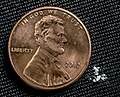 Fentanyl: 2 mg, a lethal dose in most people
 -
 Drug overdose
 -
 2 milligrams of fentanyl on pencil tip: A lethal dose for most people
 -
 US timeline: Number of overdose deaths from all drugs
 -
 US timeline: Drugs involved in overdose deaths
 -
 US timeline: Benzodiazepine deaths
 -
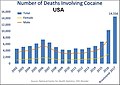 US timeline: Cocaine deaths
 -
 US timeline: Prescription opioid pain reliever deaths
 -
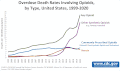 Timeline: Overdose death rates involving opioids, by type, United States
 -
 Timeline of US overdose deaths involving heroin, by other opioid involvement
 -
 Timeline: US drug overdose death rate by race and ethnicity


 | This medical article is a stub. You can help WikiMD by expanding the page. |
See also[edit]
References[edit]
<references>
- https://www.cdc.gov/drugoverdose/epidemic/index.html
- https://www.who.int/substance_abuse/information-sheet/en/
- https://www.ncbi.nlm.nih.gov/pmc/articles/PMC6135323/
- https://www.samhsa.gov/find-help/atod
- https://www.ncbi.nlm.nih.gov/pmc/articles/PMC6650084/
</references>
Medical Disclaimer: WikiMD is for informational purposes only and is not a substitute for professional medical advice. Content may be inaccurate or outdated and should not be used for diagnosis or treatment. Always consult your healthcare provider for medical decisions. Verify information with trusted sources such as CDC.gov and NIH.gov. By using this site, you agree that WikiMD is not liable for any outcomes related to its content. See full disclaimer.
Credits:Most images are courtesy of Wikimedia commons, and templates, categories Wikipedia, licensed under CC BY SA or similar.
Translate this page: - East Asian
中文,
日本,
한국어,
South Asian
हिन्दी,
தமிழ்,
తెలుగు,
Urdu,
ಕನ್ನಡ,
Southeast Asian
Indonesian,
Vietnamese,
Thai,
မြန်မာဘာသာ,
বাংলা
European
español,
Deutsch,
français,
Greek,
português do Brasil,
polski,
română,
русский,
Nederlands,
norsk,
svenska,
suomi,
Italian
Middle Eastern & African
عربى,
Turkish,
Persian,
Hebrew,
Afrikaans,
isiZulu,
Kiswahili,
Other
Bulgarian,
Hungarian,
Czech,
Swedish,
മലയാളം,
मराठी,
ਪੰਜਾਬੀ,
ગુજરાતી,
Portuguese,
Ukrainian
