Drift seed
Drift seeds, also known as sea-beans in the United States, are a type of seed that is dispersed by water. These seeds are typically hardy and able to survive long periods of time in water, allowing them to travel great distances before finding suitable conditions for germination.
Overview[edit]
Drift seeds are produced by a variety of plant species, including those found in tropical rainforests and coastal regions. The seeds are often large and buoyant, with a hard outer shell that protects the seed during its journey. Some drift seeds are also able to float on the ocean's surface, carried by currents and tides to new locations.
Dispersal[edit]
The primary method of dispersal for drift seeds is through water. This can occur in a number of ways, including via rivers, floods, and ocean currents. Some seeds are also dispersed by animals, either through ingestion and excretion or by attaching to the animal's fur or feathers.
Ecological Importance[edit]
Drift seeds play a crucial role in the ecology of many ecosystems. They contribute to the diversity of plant life in an area by introducing new species and genetic material. This can lead to increased biodiversity, which is important for the health and resilience of ecosystems.
Examples of Drift Seeds[edit]
There are many examples of plants that produce drift seeds. These include the sea heart (Entada gigas), the monkey ladder (Entada phaseoloides), and the sea purse (Dioclea reflexa).
See Also[edit]
References[edit]
This plant related article is a stub. You can help WikiMD by expanding it.
Drift seed gallery[edit]
-
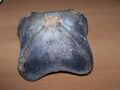 Box Fruit small


Medical Disclaimer: WikiMD is for informational purposes only and is not a substitute for professional medical advice. Content may be inaccurate or outdated and should not be used for diagnosis or treatment. Always consult your healthcare provider for medical decisions. Verify information with trusted sources such as CDC.gov and NIH.gov. By using this site, you agree that WikiMD is not liable for any outcomes related to its content. See full disclaimer.
Credits:Most images are courtesy of Wikimedia commons, and templates, categories Wikipedia, licensed under CC BY SA or similar.
Translate page: - East Asian
中文,
日本,
한국어,
South Asian
हिन्दी,
தமிழ்,
తెలుగు,
Urdu,
ಕನ್ನಡ,
Southeast Asian
Indonesian,
Vietnamese,
Thai,
မြန်မာဘာသာ,
বাংলা
European
español,
Deutsch,
français,
Greek,
português do Brasil,
polski,
română,
русский,
Nederlands,
norsk,
svenska,
suomi,
Italian
Middle Eastern & African
عربى,
Turkish,
Persian,
Hebrew,
Afrikaans,
isiZulu,
Kiswahili,
Other
Bulgarian,
Hungarian,
Czech,
Swedish,
മലയാളം,
मराठी,
ਪੰਜਾਬੀ,
ગુજરાતી,
Portuguese,
Ukrainian

