Discovery and development of gastrointestinal lipase inhibitors
The discovery and development of gastrointestinal lipase inhibitors represent a significant advancement in the field of obesity management and pharmacology. These inhibitors play a crucial role in the treatment of obesity by reducing the absorption of dietary fats in the intestines, thereby decreasing caloric intake and aiding in weight loss. This article delves into the history, mechanism, and key developments in the discovery and development of gastrointestinal lipase inhibitors.
History[edit]
The journey towards the discovery of gastrointestinal lipase inhibitors began in the late 20th century, as the prevalence of obesity started to rise globally. Researchers focused on understanding how dietary fats were metabolized in the body and sought ways to inhibit fat absorption as a strategy to combat obesity.
Mechanism of Action[edit]
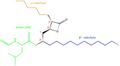
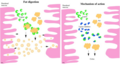
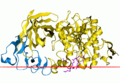
Gastrointestinal lipase inhibitors work by blocking the action of enzymes called lipases, which are responsible for breaking down triglycerides (fats) in the diet. When these enzymes are inhibited, triglycerides are not hydrolyzed into absorbable free fatty acids and are excreted undigested. This process effectively reduces the amount of calories absorbed from fats, aiding in weight loss.
Key Developments[edit]
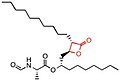
One of the most significant breakthroughs in the field was the development of Orlistat, the first and most well-known gastrointestinal lipase inhibitor. Orlistat was approved by the Food and Drug Administration (FDA) in 1998 for the treatment of obesity. Its discovery was a result of extensive research into the mechanisms of fat digestion and absorption, and it remains one of the primary drugs used for weight management today.
Research and Clinical Trials[edit]
The development of Orlistat and other gastrointestinal lipase inhibitors involved rigorous research and clinical trials. These studies were essential in determining the efficacy, safety, and potential side effects of the drugs. Clinical trials also helped to establish the appropriate dosages and understand the long-term impacts of using lipase inhibitors for weight management.
Future Directions[edit]
The field of gastrointestinal lipase inhibitors continues to evolve, with ongoing research aimed at improving efficacy, reducing side effects, and enhancing patient compliance. New compounds are being investigated, and there is a growing interest in developing combination therapies that target multiple pathways involved in obesity.
Conclusion[edit]
The discovery and development of gastrointestinal lipase inhibitors have provided an important tool in the fight against obesity. By reducing the absorption of dietary fats, these drugs offer a pharmacological approach to weight management, complementing diet, exercise, and lifestyle changes. As obesity continues to be a global health challenge, the role of lipase inhibitors and ongoing research in this area remains of paramount importance.

-
 Discovery and development of gastrointestinal lipase inhibitors
 -
 Discovery and development of gastrointestinal lipase inhibitors
 -
 Discovery and development of gastrointestinal lipase inhibitors
 -
 Discovery and development of gastrointestinal lipase inhibitors
 -
 Discovery and development of gastrointestinal lipase inhibitors
 -
 Discovery and development of gastrointestinal lipase inhibitors
 -
 Discovery and development of gastrointestinal lipase inhibitors
 -
 Discovery and development of gastrointestinal lipase inhibitors
 -
 Discovery and development of gastrointestinal lipase inhibitors
 -
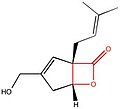 Discovery and development of gastrointestinal lipase inhibitors
 -
 Discovery and development of gastrointestinal lipase inhibitors


Medical Disclaimer: WikiMD is for informational purposes only and is not a substitute for professional medical advice. Content may be inaccurate or outdated and should not be used for diagnosis or treatment. Always consult your healthcare provider for medical decisions. Verify information with trusted sources such as CDC.gov and NIH.gov. By using this site, you agree that WikiMD is not liable for any outcomes related to its content. See full disclaimer.
Credits:Most images are courtesy of Wikimedia commons, and templates, categories Wikipedia, licensed under CC BY SA or similar.
Translate page: - East Asian
中文,
日本,
한국어,
South Asian
हिन्दी,
தமிழ்,
తెలుగు,
Urdu,
ಕನ್ನಡ,
Southeast Asian
Indonesian,
Vietnamese,
Thai,
မြန်မာဘာသာ,
বাংলা
European
español,
Deutsch,
français,
Greek,
português do Brasil,
polski,
română,
русский,
Nederlands,
norsk,
svenska,
suomi,
Italian
Middle Eastern & African
عربى,
Turkish,
Persian,
Hebrew,
Afrikaans,
isiZulu,
Kiswahili,
Other
Bulgarian,
Hungarian,
Czech,
Swedish,
മലയാളം,
मराठी,
ਪੰਜਾਬੀ,
ગુજરાતી,
Portuguese,
Ukrainian

