Durable Medical Equipment (DME)
(Also called home medical equipment.) Equipment such as hospital beds, wheelchairs, ventilator, oxygen system, home dialysis system, and prosthetics used at home. May be covered by Medicaid and in part by Medicare or private insurance. Prescribed by a physician for a patient's use for an extended period of time.
Durable Medical Equipment (DME)[edit]
Types of Durable Medical Equipment[edit]
DME encompasses a wide range of medical equipment and devices, each serving a unique purpose. Some common types of DME include:
1. Hospital Beds: Hospital beds are adjustable beds designed to provide comfort and support for patients with limited mobility. They often feature adjustable height and head/foot positioning.
2. Wheelchairs: Wheelchairs are mobility aids used by individuals with mobility impairments. Manual and motorized wheelchairs are available to suit varying needs.
3. Ventilators: Ventilators are respiratory devices used to assist patients with breathing difficulties. They provide controlled airflow and oxygenation.
4. Oxygen Systems: Oxygen systems, including oxygen concentrators and portable oxygen tanks, are prescribed for patients with respiratory conditions requiring supplemental oxygen.
5. Home Dialysis Systems: Home dialysis machines are used by patients with end-stage renal disease (ESRD) to perform dialysis treatments at home, offering greater flexibility and convenience.
6. Prosthetics: Prosthetic devices, such as artificial limbs, are designed to replace or enhance missing or impaired body parts, improving mobility and functionality.
Coverage and Financing[edit]
The coverage and financing of Durable Medical Equipment can vary based on several factors:
Medicare: Medicare Part B may cover certain DME items prescribed by a healthcare provider. However, coverage specifics and eligibility criteria apply.
Medicaid: Medicaid programs in different states may provide coverage for DME. Eligibility requirements and covered items may vary.
Private Insurance: Many private health insurance plans offer coverage for DME, but the extent of coverage depends on the individual policy.
Prescription Requirement: DME must be prescribed by a licensed physician who determines its medical necessity for a patient.
Documentation: Proper documentation, including a physician's prescription and medical records, may be required for insurance claims.
Patients and caregivers should consult with their healthcare providers and insurance companies to understand coverage details, obtain necessary approvals, and ensure compliance with regulations.
Conclusion[edit]
Durable Medical Equipment (DME) plays a crucial role in enhancing the quality of life and independence of individuals with specific medical needs. Whether it's a hospital bed, wheelchair, ventilator, oxygen system, home dialysis system, or prosthetic device, DME allows patients to manage their health conditions effectively from the comfort of their homes. Understanding coverage options and requirements is essential for accessing these vital medical resources.
Need helping finding a DME suppliers in the United States?
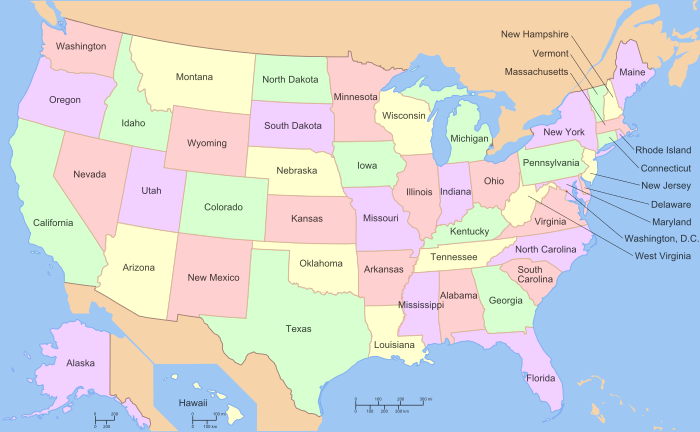
Locations for DME supplies[edit]


Medical Disclaimer: WikiMD is for informational purposes only and is not a substitute for professional medical advice. Content may be inaccurate or outdated and should not be used for diagnosis or treatment. Always consult your healthcare provider for medical decisions. Verify information with trusted sources such as CDC.gov and NIH.gov. By using this site, you agree that WikiMD is not liable for any outcomes related to its content. See full disclaimer.
Credits:Most images are courtesy of Wikimedia commons, and templates, categories Wikipedia, licensed under CC BY SA or similar.
Translate page: - East Asian
中文,
日本,
한국어,
South Asian
हिन्दी,
தமிழ்,
తెలుగు,
Urdu,
ಕನ್ನಡ,
Southeast Asian
Indonesian,
Vietnamese,
Thai,
မြန်မာဘာသာ,
বাংলা
European
español,
Deutsch,
français,
Greek,
português do Brasil,
polski,
română,
русский,
Nederlands,
norsk,
svenska,
suomi,
Italian
Middle Eastern & African
عربى,
Turkish,
Persian,
Hebrew,
Afrikaans,
isiZulu,
Kiswahili,
Other
Bulgarian,
Hungarian,
Czech,
Swedish,
മലയാളം,
मराठी,
ਪੰਜਾਬੀ,
ગુજરાતી,
Portuguese,
Ukrainian


