Cyanotoxin


Cyanotoxin is a class of toxins produced by certain species of cyanobacteria. These toxins can be harmful to other organisms, including humans, and are a concern in water treatment and public health.
Overview[edit]
Cyanotoxins are produced by cyanobacteria, a group of bacteria that obtain their energy through photosynthesis. They are capable of producing a variety of toxins, which can have different effects on human health. Some cyanotoxins can cause skin irritation, while others can affect the liver or nervous system.
Types of Cyanotoxins[edit]
There are several types of cyanotoxins, including:
- Microcystins: These are the most common type of cyanotoxins and can cause liver damage.
- Nodularins: These toxins are similar to microcystins and can also cause liver damage.
- Anatoxins: These toxins affect the nervous system and can cause symptoms such as muscle twitching and respiratory paralysis.
- Cylindrospermopsins: These toxins can cause liver damage and are also a potential carcinogen.
Health Effects[edit]
Exposure to cyanotoxins can occur through ingestion, inhalation, or skin contact. The health effects can vary depending on the type of toxin and the amount of exposure. Symptoms can range from mild, such as skin irritation and nausea, to severe, such as liver damage and respiratory paralysis.
Prevention and Treatment[edit]
Preventing exposure to cyanotoxins is primarily achieved through proper water treatment. This includes monitoring for the presence of cyanobacteria and cyanotoxins in water sources and using appropriate treatment methods to remove them.
Treatment for exposure to cyanotoxins depends on the type of toxin and the severity of the symptoms. This can include supportive care, such as hydration and symptom management, as well as specific treatments for certain types of toxins.
[edit]
-
 Anatoxin-a
 -
 Cylindrospermopsin
 -
 Saxitoxin
 -
 Toxin transmission from cyanobacteria to the bald eagle
 -
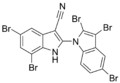 Aetokthonotoxin
 -
 Anatoxin-a-S


See Also[edit]


Medical Disclaimer: WikiMD is for informational purposes only and is not a substitute for professional medical advice. Content may be inaccurate or outdated and should not be used for diagnosis or treatment. Always consult your healthcare provider for medical decisions. Verify information with trusted sources such as CDC.gov and NIH.gov. By using this site, you agree that WikiMD is not liable for any outcomes related to its content. See full disclaimer.
Credits:Most images are courtesy of Wikimedia commons, and templates, categories Wikipedia, licensed under CC BY SA or similar.
Translate page: - East Asian
中文,
日本,
한국어,
South Asian
हिन्दी,
தமிழ்,
తెలుగు,
Urdu,
ಕನ್ನಡ,
Southeast Asian
Indonesian,
Vietnamese,
Thai,
မြန်မာဘာသာ,
বাংলা
European
español,
Deutsch,
français,
Greek,
português do Brasil,
polski,
română,
русский,
Nederlands,
norsk,
svenska,
suomi,
Italian
Middle Eastern & African
عربى,
Turkish,
Persian,
Hebrew,
Afrikaans,
isiZulu,
Kiswahili,
Other
Bulgarian,
Hungarian,
Czech,
Swedish,
മലയാളം,
मराठी,
ਪੰਜਾਬੀ,
ગુજરાતી,
Portuguese,
Ukrainian

