Convolutidae
Convolutidae is a family of Acoelomorpha, a group of simple and small marine organisms that are considered to be among the most primitive bilateral animals. They are characterized by their lack of traditional body cavities, or coelom, and their simple organization. The Convolutidae family includes several genera and species, which are found in marine environments around the world, from shallow waters to deeper sea regions.
Characteristics[edit]
Members of the Convolutidae family are known for their flattened bodies and simple structure. They lack distinct internal organs seen in more complex animals, such as a circulatory system, respiratory system, and excretory system. Instead, they have a simple digestive cavity. Their bodies are covered with cilia, which they use for locomotion and feeding. Convolutidae are also notable for their ability to regenerate lost body parts, a feature that is not widely present in many other animal groups.
Habitat and Distribution[edit]
Convolutidae species are exclusively marine and can be found in a variety of marine habitats, from intertidal zones to the deep sea. They are benthic, meaning they live on the ocean floor, often hiding under rocks or buried in sediments. Their distribution is global, with species found in oceans around the world.
Reproduction[edit]
Reproduction in Convolutidae can be both sexual and asexual. Sexual reproduction involves the fusion of gametes from two individuals, while asexual reproduction commonly occurs through a process known as fission, where an individual splits into two or more offspring. Some species are also capable of hermaphroditism, possessing both male and female reproductive organs.
Ecological Role[edit]
Despite their simple structure, Convolutidae play a significant role in marine ecosystems. They are part of the benthic food web, feeding on microscopic algae, bacteria, and detritus. In turn, they serve as prey for a variety of marine animals, including fish and invertebrates. Their ability to regenerate and reproduce rapidly allows them to quickly repopulate areas, contributing to the biodiversity of marine habitats.
Research and Importance[edit]
Research on Convolutidae and other acoelomorphs is important for understanding the early evolution of animals and the origins of bilateral symmetry. Studies on their genetics, development, and ecology provide insights into the evolutionary pathways that led to the complex organ systems found in higher animals. Additionally, their regenerative abilities are of interest for biomedical research, with potential applications in tissue engineering and regenerative medicine.
Genera[edit]
The Convolutidae family includes several genera, such as Convoluta, Amphiscolops, and Polychoerus. Each genus comprises multiple species, adapted to various marine environments.
Conservation[edit]
Currently, there is limited information on the conservation status of many Convolutidae species. Due to their small size and cryptic nature, they are often overlooked in conservation assessments. However, like many marine organisms, they are likely affected by threats such as habitat destruction, pollution, and climate change. Further research and monitoring are needed to understand their conservation needs and to develop strategies for their protection.
This marine-related article is a stub. You can help WikiMD by expanding it.
-
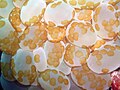 Waminoa on Plerogyra
 -
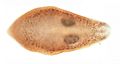 Neochildia fusca


Ad. Transform your health with W8MD Weight Loss, Sleep & MedSpa

Tired of being overweight?
Special offer:
Budget GLP-1 weight loss medications
- Semaglutide starting from $29.99/week and up with insurance for visit of $59.99 and up per week self pay.
- Tirzepatide starting from $45.00/week and up (dose dependent) or $69.99/week and up self pay
✔ Same-week appointments, evenings & weekends
Learn more:
- GLP-1 weight loss clinic NYC
- W8MD's NYC medical weight loss
- W8MD Philadelphia GLP-1 shots
- Philadelphia GLP-1 injections
- Affordable GLP-1 shots NYC
|
WikiMD Medical Encyclopedia |
Medical Disclaimer: WikiMD is for informational purposes only and is not a substitute for professional medical advice. Content may be inaccurate or outdated and should not be used for diagnosis or treatment. Always consult your healthcare provider for medical decisions. Verify information with trusted sources such as CDC.gov and NIH.gov. By using this site, you agree that WikiMD is not liable for any outcomes related to its content. See full disclaimer.
Credits:Most images are courtesy of Wikimedia commons, and templates, categories Wikipedia, licensed under CC BY SA or similar.
Translate this page: - East Asian
中文,
日本,
한국어,
South Asian
हिन्दी,
தமிழ்,
తెలుగు,
Urdu,
ಕನ್ನಡ,
Southeast Asian
Indonesian,
Vietnamese,
Thai,
မြန်မာဘာသာ,
বাংলা
European
español,
Deutsch,
français,
Greek,
português do Brasil,
polski,
română,
русский,
Nederlands,
norsk,
svenska,
suomi,
Italian
Middle Eastern & African
عربى,
Turkish,
Persian,
Hebrew,
Afrikaans,
isiZulu,
Kiswahili,
Other
Bulgarian,
Hungarian,
Czech,
Swedish,
മലയാളം,
मराठी,
ਪੰਜਾਬੀ,
ગુજરાતી,
Portuguese,
Ukrainian
