Tillage
Tillage is the agricultural practice of preparing the soil for planting by mechanical agitation, such as digging, stirring, and overturning. This practice is used to modify the soil structure, control weeds, and manage crop residues.
History[edit]
The history of tillage dates back to the Neolithic Revolution, when humans transitioned from nomadic hunting and gathering to settled farming. Early forms of tillage involved the use of simple hand tools like digging sticks and hoes. The plough was a significant advancement in tillage technology, first used in the ancient civilizations of Mesopotamia and Egypt.
Types of Tillage[edit]
There are several types of tillage, each with its own benefits and drawbacks.
Conventional Tillage[edit]
Conventional tillage involves the use of a plough to break up and turn over the soil. This method is effective at controlling weeds and preparing a smooth seedbed, but it can lead to soil erosion and degradation.
Reduced Tillage[edit]
Reduced tillage is a practice that minimizes soil disturbance. This method can help to improve soil structure and fertility, and reduce erosion. However, it may not be as effective at controlling weeds or preparing a seedbed as conventional tillage.
No-Till Farming[edit]
No-till farming is a method of growing crops without disturbing the soil through tillage. This practice can help to conserve soil and water, and reduce the impact of farming on the environment. However, it may require more use of herbicides to control weeds.
Environmental Impact[edit]
Tillage has significant environmental impacts. It can lead to soil erosion, loss of organic matter, and degradation of soil structure. However, sustainable tillage practices, such as reduced tillage and no-till farming, can help to mitigate these impacts.
See Also[edit]
 | This agriculture article is a stub. You can help WikiMD by expanding the page. |
Tillage[edit]
-
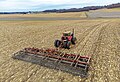 Tillage
 -
 Tilling with Hungarian Grey cattles
 -
 Arròs, sequer
 -
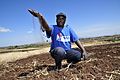 2DU Kenya115

.jpg)
.jpg)
Medical Disclaimer: WikiMD is for informational purposes only and is not a substitute for professional medical advice. Content may be inaccurate or outdated and should not be used for diagnosis or treatment. Always consult your healthcare provider for medical decisions. Verify information with trusted sources such as CDC.gov and NIH.gov. By using this site, you agree that WikiMD is not liable for any outcomes related to its content. See full disclaimer.
Credits:Most images are courtesy of Wikimedia commons, and templates, categories Wikipedia, licensed under CC BY SA or similar.
Translate this page: - East Asian
中文,
日本,
한국어,
South Asian
हिन्दी,
தமிழ்,
తెలుగు,
Urdu,
ಕನ್ನಡ,
Southeast Asian
Indonesian,
Vietnamese,
Thai,
မြန်မာဘာသာ,
বাংলা
European
español,
Deutsch,
français,
Greek,
português do Brasil,
polski,
română,
русский,
Nederlands,
norsk,
svenska,
suomi,
Italian
Middle Eastern & African
عربى,
Turkish,
Persian,
Hebrew,
Afrikaans,
isiZulu,
Kiswahili,
Other
Bulgarian,
Hungarian,
Czech,
Swedish,
മലയാളം,
मराठी,
ਪੰਜਾਬੀ,
ગુજરાતી,
Portuguese,
Ukrainian
