Coffee wastewater
Coffee wastewater, also known as coffee effluent, is a byproduct created during the coffee production process. This wastewater is a significant environmental issue, as it is often high in organic material and can be harmful to aquatic life if not properly treated.
Overview[edit]
Coffee production involves several steps, including harvesting, depulping, fermentation, washing, and drying. Each of these steps produces waste, but the washing process in particular generates a significant amount of wastewater. This wastewater is typically high in organic material, including sugars, caffeine, proteins, and oils. If released untreated into the environment, it can deplete oxygen levels in water bodies, harming aquatic life.
Environmental Impact[edit]
The environmental impact of coffee wastewater is significant. When released untreated, it can lead to eutrophication, a process where excess nutrients in water bodies lead to dense plant growth and the death of animal life due to lack of oxygen. In addition, the high organic content of the wastewater can lead to the growth of harmful bacteria and other microorganisms.
Treatment Methods[edit]
Several methods exist for treating coffee wastewater, including anaerobic digestion, aerobic digestion, and constructed wetlands. These methods aim to reduce the organic content of the wastewater, making it less harmful to the environment. However, these methods can be costly and require significant infrastructure, making them less feasible for small-scale coffee producers.
Sustainability Efforts[edit]
In recent years, there has been a push towards more sustainable coffee production practices. This includes efforts to reduce the amount of wastewater produced, as well as initiatives to treat and reuse wastewater. For example, some coffee producers are using the organic material in coffee wastewater to produce bioenergy, providing a sustainable energy source while also reducing the environmental impact of the wastewater.
See Also[edit]

-
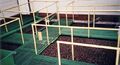 Coffee wastewater
 -
Coffee wastewater


Medical Disclaimer: WikiMD is for informational purposes only and is not a substitute for professional medical advice. Content may be inaccurate or outdated and should not be used for diagnosis or treatment. Always consult your healthcare provider for medical decisions. Verify information with trusted sources such as CDC.gov and NIH.gov. By using this site, you agree that WikiMD is not liable for any outcomes related to its content. See full disclaimer.
Credits:Most images are courtesy of Wikimedia commons, and templates, categories Wikipedia, licensed under CC BY SA or similar.
Translate page: - East Asian
中文,
日本,
한국어,
South Asian
हिन्दी,
தமிழ்,
తెలుగు,
Urdu,
ಕನ್ನಡ,
Southeast Asian
Indonesian,
Vietnamese,
Thai,
မြန်မာဘာသာ,
বাংলা
European
español,
Deutsch,
français,
Greek,
português do Brasil,
polski,
română,
русский,
Nederlands,
norsk,
svenska,
suomi,
Italian
Middle Eastern & African
عربى,
Turkish,
Persian,
Hebrew,
Afrikaans,
isiZulu,
Kiswahili,
Other
Bulgarian,
Hungarian,
Czech,
Swedish,
മലയാളം,
मराठी,
ਪੰਜਾਬੀ,
ગુજરાતી,
Portuguese,
Ukrainian


