Cocooning (immunization)
Cocooning is a strategy used in immunization where a person is protected from infections by immunizing those around them. This strategy is particularly important for protecting people who cannot receive vaccines themselves, such as newborns and those with weakened immune systems.
Concept[edit]
The concept of cocooning is based on the idea that if those around a vulnerable person are immune to a disease, they will not contract the disease and therefore cannot pass it on. This creates a protective 'cocoon' of immunity around the person. Cocooning is often used in conjunction with other vaccination strategies to provide maximum protection.
Importance[edit]
Cocooning is particularly important for protecting those who cannot receive vaccines themselves. This includes newborns, who cannot receive most vaccines until they are two months old, and those with weakened immune systems, such as people undergoing chemotherapy or those with HIV/AIDS. By immunizing those around these vulnerable individuals, they are protected from potentially life-threatening infections.
Implementation[edit]
Cocooning can be implemented in a variety of settings, including homes, schools, and healthcare facilities. It involves ensuring that all those in close contact with a vulnerable person are up-to-date with their vaccinations. This can include family members, healthcare workers, and school staff.
Challenges[edit]
While cocooning is a valuable strategy, it also faces several challenges. These include ensuring that all those around a vulnerable person are vaccinated, which can be difficult in settings such as schools where many people come into contact with the person. There is also the challenge of ensuring that those who are vaccinated maintain their immunity, as some vaccines require booster shots.
See also[edit]

This WikiMD article can only be edited by registered and verified editors. You can log in or register.
Cocooning (immunization)[edit]
-
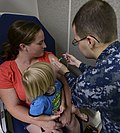 Patients receive flu vaccination at Naval Health Clinic Hawaii
 -
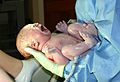 Cocooning (immunization)


Advertise on WikiMD — 81,000+ full articles, ~900,000 total pages, ~250 million page views. Global reach, limited time promotional rates from $1/page/day. Learn more · View stats


Translate page: - East Asian
中文,
日本,
한국어,
South Asian
हिन्दी,
தமிழ்,
తెలుగు,
Urdu,
ಕನ್ನಡ,
Southeast Asian
Indonesian,
Vietnamese,
Thai,
မြန်မာဘာသာ,
বাংলা
European
español,
Deutsch,
français,
Greek,
português do Brasil,
polski,
română,
русский,
Nederlands,
norsk,
svenska,
suomi,
Italian
Middle Eastern & African
عربى,
Turkish,
Persian,
Hebrew,
Afrikaans,
isiZulu,
Kiswahili,
Other
Bulgarian,
Hungarian,
Czech,
Swedish,
മലയാളം,
मराठी,
ਪੰਜਾਬੀ,
ગુજરાતી,
Portuguese,
Ukrainian
About WikiMD • Contact • Disclaimer • Privacy • Copyright • Site statistics
Some content and images may originate from Wikimedia Commons or Wikipedia and remain subject to their stated licenses. Unless otherwise noted, eligible WikiMD content is available under CC BY-SA 4.0.
WikiMD Wellnesspedia — Free health & wellness information for patients, students, and health professionals.

