Cancer research
Cancer research is a broad field dedicated to the study of cancer, a complex group of diseases characterized by the uncontrolled growth and spread of abnormal cells. The ultimate goals of cancer research are to understand the underlying mechanisms of cancer development and progression, identify new targets for therapy, and improve the diagnosis, treatment, and prevention of cancer. This article provides an overview of the key areas of cancer research, including the types of cancer, risk factors, methods of research, and current trends in the field.
Types of Cancer[edit]
Cancer can arise in almost any type of tissue or cell within the body, leading to a wide variety of cancer types. The most common categories include carcinoma, which originates in epithelial cells; sarcoma, arising in bone, cartilage, fat, muscle, blood vessels, or other connective or supportive tissue; leukemia, a cancer of blood-forming tissues; lymphoma and myeloma, cancers of the immune system; and central nervous system cancers, which develop in the brain and spinal cord.
Risk Factors[edit]
Cancer risk factors can be categorized into genetic, environmental, and lifestyle factors. Genetic factors involve mutations in genes that are inherited or arise spontaneously. Environmental factors include exposure to toxins such as tobacco smoke, radiation, and certain chemicals. Lifestyle factors encompass diet, physical activity, and obesity. Understanding these risk factors is crucial for developing prevention strategies.
Methods of Research[edit]
Cancer research employs a variety of methods, including basic laboratory research, clinical trials, and epidemiological studies. Basic research focuses on understanding the molecular and cellular basis of cancer. Clinical trials test new treatments in patients to assess their safety and effectiveness. Epidemiological studies investigate the patterns, causes, and control of cancer in populations.
Genomic Research[edit]
The study of cancer genomics involves analyzing the DNA of cancers to identify mutations and alterations that drive the disease. This research has led to the development of targeted therapies that specifically address genetic abnormalities in tumors.
Immunotherapy[edit]
Immunotherapy is a rapidly advancing area of cancer research that involves harnessing the body's immune system to fight cancer. This includes the use of monoclonal antibodies, checkpoint inhibitors, and CAR T-cell therapy.
Current Trends[edit]
Recent trends in cancer research include precision medicine, which tailors treatment to the individual characteristics of each patient's cancer; the use of artificial intelligence and machine learning to analyze large datasets and improve diagnosis and treatment; and the exploration of the microbiome's role in cancer.
Conclusion[edit]
Cancer research is a dynamic and evolving field that holds the promise of significant advances in the understanding, prevention, and treatment of cancer. Through continued research and innovation, there is hope for more effective therapies and improved outcomes for cancer patients.
 | This oncology article is a stub. You can help WikiMD by expanding the page. |
-
 Sidney Farber
 -
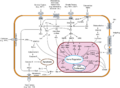 Signal Transduction
 -
 MatchMiner Overview
 -
 MD Anderson Cancer Center
 -
 Breast Cancer Awareness


.jpg)
Medical Disclaimer: WikiMD is for informational purposes only and is not a substitute for professional medical advice. Content may be inaccurate or outdated and should not be used for diagnosis or treatment. Always consult your healthcare provider for medical decisions. Verify information with trusted sources such as CDC.gov and NIH.gov. By using this site, you agree that WikiMD is not liable for any outcomes related to its content. See full disclaimer.
Credits:Most images are courtesy of Wikimedia commons, and templates, categories Wikipedia, licensed under CC BY SA or similar.
Translate this page: - East Asian
中文,
日本,
한국어,
South Asian
हिन्दी,
தமிழ்,
తెలుగు,
Urdu,
ಕನ್ನಡ,
Southeast Asian
Indonesian,
Vietnamese,
Thai,
မြန်မာဘာသာ,
বাংলা
European
español,
Deutsch,
français,
Greek,
português do Brasil,
polski,
română,
русский,
Nederlands,
norsk,
svenska,
suomi,
Italian
Middle Eastern & African
عربى,
Turkish,
Persian,
Hebrew,
Afrikaans,
isiZulu,
Kiswahili,
Other
Bulgarian,
Hungarian,
Czech,
Swedish,
മലയാളം,
मराठी,
ਪੰਜਾਬੀ,
ગુજરાતી,
Portuguese,
Ukrainian

