Chromium(II) carbide
Chromium(II) carbide is a ceramic compound that consists of chromium and carbon, with the chemical formula Cr3C2. It is known for its extreme hardness, high melting point, and excellent resistance to corrosion, making it a valuable material in various industrial applications, including as an additive in metal matrix composites, cutting tools, and for wear-resistant coatings.
Properties[edit]
Chromium(II) carbide has a hexagonal crystal structure and is characterized by its high hardness, which is comparable to that of other hard materials such as silicon carbide and boron carbide. Its melting point is approximately 1890°C, which contributes to its stability at high temperatures. Additionally, Cr3C2 exhibits excellent resistance to oxidation and corrosion, particularly in environments that are detrimental to most metals and alloys.
Synthesis[edit]
The synthesis of chromium(II) carbide typically involves the direct combination of chromium metal with carbon at high temperatures. This process, known as carburization, can be achieved through various methods, including powder metallurgy and chemical vapor deposition. In powder metallurgy, a mixture of chromium powder and carbon (in the form of graphite) is pressed into a desired shape and then heated in a vacuum or inert atmosphere to temperatures where the chromium and carbon react to form Cr3C2.
Applications[edit]
Due to its outstanding properties, chromium(II) carbide is used in a wide range of applications. One of its primary uses is in the production of thermal spray coatings to protect surfaces against wear and corrosion. These coatings are particularly beneficial in industries such as aerospace, automotive, and energy, where durability and longevity of components are crucial.
In addition, Cr3C2 is used as a grain growth inhibitor in tungsten carbide (WC) cutting tools. The presence of chromium(II) carbide particles in WC prevents the growth of WC grains during sintering, resulting in a finer grain structure that enhances the hardness and toughness of the cutting tools.
Chromium(II) carbide is also employed in the manufacture of wear-resistant plates and coatings for the mining and construction industries, where its hardness and resistance to wear significantly extend the life of equipment and machinery.
Health and Safety[edit]
While chromium(II) carbide is not known to be toxic, the handling of its powders should be done with care to avoid inhalation or prolonged skin contact, which could lead to irritation. Appropriate personal protective equipment (PPE), such as gloves and respirators, should be used when working with Cr3C2 powders.
Environmental Impact[edit]
The production and use of chromium(II) carbide must be managed carefully to minimize environmental impact. Chromium compounds, in certain oxidation states, can be toxic and carcinogenic. Therefore, industries utilizing Cr3C2 should implement measures to capture and recycle chromium-containing waste and adhere to environmental regulations to prevent contamination.

-
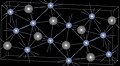 Cr3C2 structure
 -
 Chromium carbide Cr3C2


Ad. Transform your health with W8MD Weight Loss, Sleep & MedSpa

Tired of being overweight?
Special offer:
Budget GLP-1 weight loss medications
- Semaglutide starting from $29.99/week and up with insurance for visit of $59.99 and up per week self pay.
- Tirzepatide starting from $45.00/week and up (dose dependent) or $69.99/week and up self pay
✔ Same-week appointments, evenings & weekends
Learn more:
- GLP-1 weight loss clinic NYC
- W8MD's NYC medical weight loss
- W8MD Philadelphia GLP-1 shots
- Philadelphia GLP-1 injections
- Affordable GLP-1 shots NYC
|
WikiMD Medical Encyclopedia |
Medical Disclaimer: WikiMD is for informational purposes only and is not a substitute for professional medical advice. Content may be inaccurate or outdated and should not be used for diagnosis or treatment. Always consult your healthcare provider for medical decisions. Verify information with trusted sources such as CDC.gov and NIH.gov. By using this site, you agree that WikiMD is not liable for any outcomes related to its content. See full disclaimer.
Credits:Most images are courtesy of Wikimedia commons, and templates, categories Wikipedia, licensed under CC BY SA or similar.
Translate this page: - East Asian
中文,
日本,
한국어,
South Asian
हिन्दी,
தமிழ்,
తెలుగు,
Urdu,
ಕನ್ನಡ,
Southeast Asian
Indonesian,
Vietnamese,
Thai,
မြန်မာဘာသာ,
বাংলা
European
español,
Deutsch,
français,
Greek,
português do Brasil,
polski,
română,
русский,
Nederlands,
norsk,
svenska,
suomi,
Italian
Middle Eastern & African
عربى,
Turkish,
Persian,
Hebrew,
Afrikaans,
isiZulu,
Kiswahili,
Other
Bulgarian,
Hungarian,
Czech,
Swedish,
മലയാളം,
मराठी,
ਪੰਜਾਬੀ,
ગુજરાતી,
Portuguese,
Ukrainian
