Cerbera
Cerbera is a genus of flowering plants in the family Apocynaceae, commonly known as the "mangrove trees" or "sea mangoes." This genus is notable for its species that are found in tropical and subtropical regions around the world, particularly in coastal and island environments. The plants belonging to this genus are best known for their distinctive fruits, which resemble mangoes, and for their potent toxins, which have been both a subject of scientific interest and a cause for concern in regions where these plants are prevalent.
Description[edit]
Species within the Cerbera genus are small to medium-sized trees or shrubs that are often found in coastal salt marshes and mangrove forests. They have broad, glossy leaves and produce large, white to pink flowers that are fragrant and attractive. The fruit of Cerbera species is large, containing a fibrous pulp and a hard, central stone. Despite their appealing appearance, the fruits and other parts of the plant contain cardiac glycosides, particularly cerberin, which are highly toxic if ingested.
Distribution and Habitat[edit]
Cerbera species are distributed across the tropical and subtropical regions of the world, including the Indian Ocean islands, Southeast Asia, parts of East Asia, and the Pacific Islands. They thrive in coastal environments, particularly in mangrove forests and on the edges of salt marshes, where they can tolerate high levels of salinity and waterlogged soils.
Toxicity[edit]
The toxicity of Cerbera species is well-documented, with the seeds and fruits being particularly dangerous. The primary toxin, cerberin, is a cardiac glycoside that can cause cardiac arrest and death if ingested. Symptoms of Cerbera poisoning include nausea, vomiting, diarrhea, abdominal pain, dizziness, and irregular heart rhythms. Due to its potent toxicity, Cerbera has been used in traditional medicine and in some cultures for suicide and homicide.
Uses[edit]
Despite the dangers associated with its toxicity, Cerbera has been used in traditional medicine in some cultures to treat various ailments, albeit with extreme caution. The wood of Cerbera trees is also valued for certain types of construction, particularly in making canoes and other small watercraft, due to its buoyancy and resistance to rot.
Conservation[edit]
The conservation status of Cerbera species varies depending on their habitat and distribution. Some species are considered at risk due to habitat destruction, particularly from the clearing of mangrove forests for development or agriculture. Conservation efforts are focused on protecting natural habitats and ensuring sustainable use of these plants.
See Also[edit]
References[edit]

-
 Cerbera tanghin illustration
 -
 Cerbera floribunda
 -
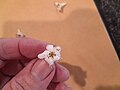 Cerbera inflata
 -
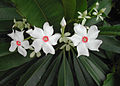 Cerbera manghas flower
 -
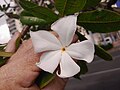 Cerbera odollam


Medical Disclaimer: WikiMD is for informational purposes only and is not a substitute for professional medical advice. Content may be inaccurate or outdated and should not be used for diagnosis or treatment. Always consult your healthcare provider for medical decisions. Verify information with trusted sources such as CDC.gov and NIH.gov. By using this site, you agree that WikiMD is not liable for any outcomes related to its content. See full disclaimer.
Credits:Most images are courtesy of Wikimedia commons, and templates, categories Wikipedia, licensed under CC BY SA or similar.
Translate page: - East Asian
中文,
日本,
한국어,
South Asian
हिन्दी,
தமிழ்,
తెలుగు,
Urdu,
ಕನ್ನಡ,
Southeast Asian
Indonesian,
Vietnamese,
Thai,
မြန်မာဘာသာ,
বাংলা
European
español,
Deutsch,
français,
Greek,
português do Brasil,
polski,
română,
русский,
Nederlands,
norsk,
svenska,
suomi,
Italian
Middle Eastern & African
عربى,
Turkish,
Persian,
Hebrew,
Afrikaans,
isiZulu,
Kiswahili,
Other
Bulgarian,
Hungarian,
Czech,
Swedish,
മലയാളം,
मराठी,
ਪੰਜਾਬੀ,
ગુજરાતી,
Portuguese,
Ukrainian

