Causes of seizures
Seizures are sudden, uncontrolled electrical disturbances in the brain that can cause changes in behavior, movements, feelings, and levels of consciousness. The causes of seizures are varied and can involve several different factors. Understanding these causes is crucial for diagnosis, treatment, and management of seizure disorders, such as epilepsy.
Types of Seizures[edit]
Seizures are broadly classified into two categories based on how and where abnormal brain activity begins: focal (partial) seizures and generalized seizures. Focal seizures originate in a specific area of the brain, while generalized seizures involve all areas of the brain.
Common Causes of Seizures[edit]
Genetic Factors[edit]
Some types of seizures or epileptic disorders are inherited. Genetic mutations can make a person more sensitive to environmental conditions that trigger seizures.
Structural Brain Conditions[edit]
Conditions that affect the structure of the brain, such as brain tumors, strokes, brain infections (meningitis, encephalitis), and traumatic brain injuries can cause seizures. Congenital brain defects also fall under this category.
Metabolic Disorders[edit]
Imbalances in vital substances necessary for brain function, such as blood sugar (hypoglycemia), electrolytes, and calcium, can lead to seizures.
Infectious Diseases[edit]
Diseases such as meningitis, encephalitis, AIDS, and Syphilis can cause seizures due to the inflammation and damage they cause to the brain.
Autoimmune Disorders[edit]
Some autoimmune disorders, where the body's immune system attacks its own tissues, can affect the brain and lead to seizures. Examples include Lupus and anti-NMDA receptor encephalitis.
Drug and Alcohol Use[edit]
Acute intoxication, withdrawal, or overdose of certain drugs and alcohol can provoke seizures. Substances that can cause seizures include cocaine, amphetamines, and sedatives.
Diagnosis and Treatment[edit]
Diagnosing the cause of seizures typically involves a thorough medical history, neurological examination, and diagnostic tests such as EEG, MRI, and blood tests. Treatment depends on the underlying cause and may include medications (AEDs), surgery, lifestyle changes, and dietary therapy.
Prevention and Management[edit]
While not all seizures can be prevented, managing risk factors and adhering to treatment plans can significantly reduce the frequency and severity of seizures. Regular medical follow-up, avoiding known seizure triggers, and maintaining a healthy lifestyle are essential components of management.
 | This medical article is a stub. You can help WikiMD by expanding the page. |
-
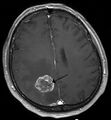 Hirnmetastase MRT-T1 KM
 -
Disco ball


Medical Disclaimer: WikiMD is for informational purposes only and is not a substitute for professional medical advice. Content may be inaccurate or outdated and should not be used for diagnosis or treatment. Always consult your healthcare provider for medical decisions. Verify information with trusted sources such as CDC.gov and NIH.gov. By using this site, you agree that WikiMD is not liable for any outcomes related to its content. See full disclaimer.
Credits:Most images are courtesy of Wikimedia commons, and templates, categories Wikipedia, licensed under CC BY SA or similar.
Translate page: - East Asian
中文,
日本,
한국어,
South Asian
हिन्दी,
தமிழ்,
తెలుగు,
Urdu,
ಕನ್ನಡ,
Southeast Asian
Indonesian,
Vietnamese,
Thai,
မြန်မာဘာသာ,
বাংলা
European
español,
Deutsch,
français,
Greek,
português do Brasil,
polski,
română,
русский,
Nederlands,
norsk,
svenska,
suomi,
Italian
Middle Eastern & African
عربى,
Turkish,
Persian,
Hebrew,
Afrikaans,
isiZulu,
Kiswahili,
Other
Bulgarian,
Hungarian,
Czech,
Swedish,
മലയാളം,
मराठी,
ਪੰਜਾਬੀ,
ગુજરાતી,
Portuguese,
Ukrainian


