Cancer pain
Cancer pain is a complex and multifaceted symptom that affects a significant proportion of patients with cancer. It can arise from the cancer itself, such as when a tumor presses on bones, nerves, or organs, or as a side effect of cancer treatments like chemotherapy, radiation, or surgery. Effective management of cancer pain is crucial for improving the quality of life of patients.
Etiology[edit]
Cancer pain can be caused by the tumor pressing on bones, nerves, or other organs in the body. The pain can vary greatly depending on the location of the cancer, the stage of the disease, and the individual's pain threshold. Pain can also be a side effect of treatments aimed at eradicating the cancer, such as chemotherapy, radiation therapy, and surgery. In some cases, cancer pain may be caused by metastasis, where the cancer spreads from its original location to other parts of the body.
Classification[edit]
Cancer pain is classified into two main types: acute and chronic. Acute pain is often sudden and severe, while chronic pain persists over a longer period. Cancer pain can also be categorized based on its origin: nociceptive pain, which arises from damage to body tissue, and neuropathic pain, which results from damage to the nervous system.
Symptoms[edit]
Symptoms of cancer pain can vary widely but may include a constant dull ache, sharp or stabbing pain, or burning sensation. The intensity of the pain can also fluctuate, often worsening with movement, coughing, or breathing deeply. Pain may be localized to a specific area or spread across a larger region of the body.
Diagnosis[edit]
Diagnosing cancer pain involves a thorough patient history and physical examination. Healthcare providers may ask about the pain's location, intensity, duration, and characteristics. Imaging tests such as X-rays, CT scans, and MRIs can help identify the underlying cause of the pain. In some cases, nerve studies or a biopsy may be necessary to determine the exact source of the pain.
Treatment[edit]
The treatment of cancer pain is tailored to the individual's needs and may include medications, physical therapy, nerve blocks, and alternative therapies. Medications used to treat cancer pain include over-the-counter pain relievers, opioids, and adjuvant drugs such as antidepressants and anticonvulsants. Non-pharmacological treatments like physical therapy, massage, and acupuncture can also be effective in managing cancer pain. In some cases, interventional procedures like nerve blocks or spinal cord stimulation may be recommended.
Management[edit]
Effective management of cancer pain requires a multidisciplinary approach that addresses both the physical and emotional aspects of pain. This may involve a team of healthcare providers, including oncologists, pain specialists, nurses, and psychologists. Patients and their families should be educated about pain management strategies and the importance of communicating openly about pain levels and treatment effectiveness.
Conclusion[edit]
Cancer pain is a significant concern for patients with cancer, impacting their quality of life and overall well-being. Through proper assessment, diagnosis, and a comprehensive treatment plan, cancer pain can be effectively managed, allowing patients to experience relief and improved functionality.
 | This medical article is a stub. You can help WikiMD by expanding the page. |
-
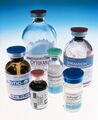 Chemotherapy bottles
 -
 Spinal cord tracts
 -
 Cancer pain


Sponsored Health Resource

W8MD Weight Loss, Sleep & MedSpa
Looking for physician-supervised weight loss, semaglutide, tirzepatide, or GLP-1 receptor agonist options? W8MD helps eligible patients in New York City, Brooklyn, New Jersey, Connecticut, Pennsylvania, Delaware, and greater Philadelphia with medical weight loss, sleep medicine, and long-term maintenance support.
GLP-1 specials: Affordable GLP-1 injections NYC and Philadelphia starting from $29.99/week and up for semaglutide with insurance accepted for qualifying visits, and $45/week and up for tirzepatide with insurance accepted for qualifying visits. Self-pay options start from $59.99/week and up for semaglutide and $69.99/week and up for tirzepatide.
Medical weight loss NYC | Affordable GLP-1 injections NYC | Budget GLP-1 weight loss shots Philadelphia | New Jersey medical weight loss | NYC medical weight loss | Philadelphia medical weight loss | Sleep clinic NYC | W8MD's Philadelphia GLP-1 doctor | Weight loss prescriptions NYC
Book a W8MD appointment · View GLP-1 specials
Paid promotional message. Eligibility, pricing, insurance coverage, medication availability, and results vary. Medical evaluation required.

Medical Disclaimer: WikiMD is for informational purposes only and is not a substitute for professional medical advice. Content may be inaccurate or outdated and should not be used for diagnosis or treatment. Always consult your healthcare provider for medical decisions. Verify information with trusted sources such as CDC.gov and NIH.gov. By using this site, you agree that WikiMD is not liable for any outcomes related to its content. See full disclaimer.
Credits:Most images are courtesy of Wikimedia commons, and templates, categories Wikipedia, licensed under CC BY SA or similar.
Translate page: - East Asian
中文,
日本,
한국어,
South Asian
हिन्दी,
தமிழ்,
తెలుగు,
Urdu,
ಕನ್ನಡ,
Southeast Asian
Indonesian,
Vietnamese,
Thai,
မြန်မာဘာသာ,
বাংলা
European
español,
Deutsch,
français,
Greek,
português do Brasil,
polski,
română,
русский,
Nederlands,
norsk,
svenska,
suomi,
Italian
Middle Eastern & African
عربى,
Turkish,
Persian,
Hebrew,
Afrikaans,
isiZulu,
Kiswahili,
Other
Bulgarian,
Hungarian,
Czech,
Swedish,
മലയാളം,
मराठी,
ਪੰਜਾਬੀ,
ગુજરાતી,
Portuguese,
Ukrainian

