Breast cancer management
Breast cancer management involves a multidisciplinary approach that includes various treatments and strategies to control and eliminate breast cancer. The management of breast cancer depends on the stage of the disease, the biological characteristics of the tumor, and the patient's personal preferences and overall health. This article provides a comprehensive overview of the current strategies and treatments used in breast cancer management.
Diagnosis and Staging[edit]
The first step in managing breast cancer is to establish a diagnosis and determine the stage of the disease. Diagnosis typically involves a combination of mammography, ultrasound, and biopsy procedures. Once breast cancer is confirmed, additional tests such as MRI scans, CT scans, and bone scans may be used to stage the cancer, which is crucial for planning treatment.
Surgical Options[edit]
Surgery is often the first line of treatment for breast cancer. The type of surgery depends on the size and stage of the tumor, as well as patient preferences. Surgical options include:
- Lumpectomy: Removal of the tumor and a small margin of surrounding tissue. Often followed by radiation therapy.
- Mastectomy: Removal of one or both breasts, partially (segmental mastectomy) or completely (total mastectomy). In some cases, reconstructive surgery may be performed simultaneously or after mastectomy.
Radiation Therapy[edit]
Radiation therapy uses high-energy rays to target and kill cancer cells. It is commonly used after surgery to eliminate any remaining cancer cells in the breast, chest wall, or axilla (underarm area). Radiation therapy can reduce the risk of breast cancer recurrence.
Chemotherapy[edit]
Chemotherapy involves the use of drugs to kill cancer cells, usually administered intravenously or orally. Chemotherapy may be given before surgery (neoadjuvant chemotherapy) to shrink a tumor, making it easier to remove, or after surgery (adjuvant chemotherapy) to eliminate any remaining cancer cells.
Hormonal Therapy[edit]
Hormonal therapy is used for breast cancers that are hormone receptor-positive. These cancers grow in response to hormones such as estrogen or progesterone. Drugs like tamoxifen and aromatase inhibitors (letrozole, anastrozole, and exemestane) are used to block the effects of these hormones or lower their levels in the body.
Targeted Therapy[edit]
Targeted therapy drugs target specific characteristics of cancer cells, such as a protein that allows the cancer cells to grow in a rapid or abnormal way. Examples include HER2 inhibitors (e.g., trastuzumab, pertuzumab) for HER2-positive breast cancers and CDK4/6 inhibitors (e.g., palbociclib, ribociclib, abemaciclib) for certain hormone receptor-positive cancers.
Immunotherapy[edit]
Immunotherapy uses the body's immune system to fight cancer. For breast cancer, immunotherapy might be considered for certain advanced or triple-negative breast cancers. Drugs like atezolizumab and pembrolizumab have shown promise in treating these types of breast cancer.
Follow-up and Rehabilitation[edit]
After initial treatment, regular follow-up appointments are necessary to monitor for any signs of cancer recurrence. Rehabilitation services, including physical therapy and counseling, may be offered to help manage side effects and improve quality of life.
Conclusion[edit]
Breast cancer management is a complex and evolving field. Treatment plans are highly individualized, based on the specific characteristics of the cancer and the patient's preferences. Advances in research continue to provide new and improved treatment options, offering hope and improved outcomes for those affected by breast cancer.
 | This medical article is a stub. You can help WikiMD by expanding the page. |
Breast_cancer_management[edit]
-
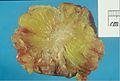 Breast cancer cells under a microscope
 -
 SAVI device for breast cancer treatment
 -
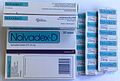 Nolvadex (Tamoxifen) medication for breast cancer


Sponsored Health Resource

W8MD Weight Loss, Sleep & MedSpa
Looking for physician-supervised weight loss, semaglutide, tirzepatide, or GLP-1 receptor agonist options? W8MD helps eligible patients in New York City, Brooklyn, New Jersey, Connecticut, Pennsylvania, Delaware, and greater Philadelphia with medical weight loss, sleep medicine, and long-term maintenance support.
GLP-1 specials: Affordable GLP-1 injections NYC and Philadelphia starting from $29.99/week and up for semaglutide with insurance accepted for qualifying visits, and $45/week and up for tirzepatide with insurance accepted for qualifying visits. Self-pay options start from $59.99/week and up for semaglutide and $69.99/week and up for tirzepatide.
Medical weight loss NYC | Affordable GLP-1 injections NYC | Budget GLP-1 weight loss shots Philadelphia | New Jersey medical weight loss | NYC medical weight loss | Philadelphia medical weight loss | Sleep clinic NYC | W8MD's Philadelphia GLP-1 doctor | Weight loss prescriptions NYC
Book a W8MD appointment · View GLP-1 specials
Paid promotional message. Eligibility, pricing, insurance coverage, medication availability, and results vary. Medical evaluation required.

Medical Disclaimer: WikiMD is for informational purposes only and is not a substitute for professional medical advice. Content may be inaccurate or outdated and should not be used for diagnosis or treatment. Always consult your healthcare provider for medical decisions. Verify information with trusted sources such as CDC.gov and NIH.gov. By using this site, you agree that WikiMD is not liable for any outcomes related to its content. See full disclaimer.
Credits:Most images are courtesy of Wikimedia commons, and templates, categories Wikipedia, licensed under CC BY SA or similar.
Translate page: - East Asian
中文,
日本,
한국어,
South Asian
हिन्दी,
தமிழ்,
తెలుగు,
Urdu,
ಕನ್ನಡ,
Southeast Asian
Indonesian,
Vietnamese,
Thai,
မြန်မာဘာသာ,
বাংলা
European
español,
Deutsch,
français,
Greek,
português do Brasil,
polski,
română,
русский,
Nederlands,
norsk,
svenska,
suomi,
Italian
Middle Eastern & African
عربى,
Turkish,
Persian,
Hebrew,
Afrikaans,
isiZulu,
Kiswahili,
Other
Bulgarian,
Hungarian,
Czech,
Swedish,
മലയാളം,
मराठी,
ਪੰਜਾਬੀ,
ગુજરાતી,
Portuguese,
Ukrainian

