Biogas
Biogas is a type of biofuel that is naturally produced from the decomposition of organic waste material. When organic matter, such as food scraps and animal waste, break down in an anaerobic environment (an environment absent of oxygen), they release a blend of gases, primarily methane (CH4) and carbon dioxide (CO2), with small amounts of other gases such as hydrogen sulfide (H2S). This gas mixture can be used as an energy source, making biogas a renewable and sustainable alternative to fossil fuels.
Production[edit]
The production of biogas occurs in a system known as a biogas digester or anaerobic digester. These systems facilitate the anaerobic digestion process, which involves four key stages: hydrolysis, acidogenesis, acetogenesis, and methanogenesis. During these stages, microorganisms break down biodegradable material in the absence of oxygen. The end product is biogas, a versatile energy source that can be used for heating, electricity generation, and as a fuel for vehicles.
Composition[edit]
Biogas primarily consists of methane (CH4) and carbon dioxide (CO2), with methane making up about 50-75% of the gas mixture. The high methane content is what gives biogas its energy potential. The exact composition of biogas can vary depending on the type of organic material used in the digestion process and the conditions within the digester.
Benefits[edit]
Biogas production offers several environmental and economic benefits. It provides a way to manage waste, reducing the need for landfill space and the emission of greenhouse gases from organic waste decomposition. Utilizing biogas as an energy source can also help reduce dependence on fossil fuels, contributing to energy security and reducing carbon footprints. Moreover, the by-product of biogas production, known as digestate, can be used as a nutrient-rich fertilizer, closing the loop in a sustainable waste-to-energy cycle.
Applications[edit]
Biogas can be used in various applications, including:
- Generating electricity
- Heating
- As a fuel for vehicles
- Upgrading to biomethane, a renewable natural gas substitute
Challenges[edit]
Despite its benefits, the adoption of biogas technology faces several challenges. These include the initial investment costs for digester systems, the need for a continuous supply of organic waste materials, and the management of impurities in the biogas. Additionally, the spread of biogas technology is limited by a lack of awareness and supportive policies in some regions.
Future Prospects[edit]
The future of biogas looks promising, with ongoing research and technological advancements aimed at improving the efficiency and reducing the costs of biogas production. Governments and organizations worldwide are beginning to recognize the potential of biogas in achieving renewable energy targets and mitigating climate change, leading to more supportive policies and incentives for biogas projects.
 | This article about energy, its collection, its distribution, or its uses is a stub. You can help WikiMD by expanding the page. |
Biogas[edit]
-
 Biogas
 -
 Biogasanlage 01
 -
 BioGas Bus
 -
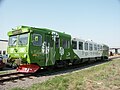 Biogas train Amanda in Linköping 2006
 -
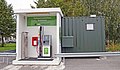 Biogas station
 -
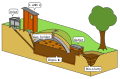 Biogas plant


Sponsored Health Resource

W8MD Weight Loss, Sleep & MedSpa
Looking for physician-supervised weight loss, semaglutide, tirzepatide, or GLP-1 receptor agonist options? W8MD helps eligible patients in New York City, Brooklyn, New Jersey, Connecticut, Pennsylvania, Delaware, and greater Philadelphia with medical weight loss, sleep medicine, and long-term maintenance support.
GLP-1 specials: Affordable GLP-1 injections NYC and Philadelphia starting from $29.99/week and up for semaglutide with insurance accepted for qualifying visits, and $45/week and up for tirzepatide with insurance accepted for qualifying visits. Self-pay options start from $59.99/week and up for semaglutide and $69.99/week and up for tirzepatide.
Medical weight loss NYC | Affordable GLP-1 injections NYC | Budget GLP-1 weight loss shots Philadelphia | New Jersey medical weight loss | NYC medical weight loss | Philadelphia medical weight loss | Sleep clinic NYC | W8MD's Philadelphia GLP-1 doctor | Weight loss prescriptions NYC
Book a W8MD appointment · View GLP-1 specials
Paid promotional message. Eligibility, pricing, insurance coverage, medication availability, and results vary. Medical evaluation required.

Medical Disclaimer: WikiMD is for informational purposes only and is not a substitute for professional medical advice. Content may be inaccurate or outdated and should not be used for diagnosis or treatment. Always consult your healthcare provider for medical decisions. Verify information with trusted sources such as CDC.gov and NIH.gov. By using this site, you agree that WikiMD is not liable for any outcomes related to its content. See full disclaimer.
Credits:Most images are courtesy of Wikimedia commons, and templates, categories Wikipedia, licensed under CC BY SA or similar.
Translate page: - East Asian
中文,
日本,
한국어,
South Asian
हिन्दी,
தமிழ்,
తెలుగు,
Urdu,
ಕನ್ನಡ,
Southeast Asian
Indonesian,
Vietnamese,
Thai,
မြန်မာဘာသာ,
বাংলা
European
español,
Deutsch,
français,
Greek,
português do Brasil,
polski,
română,
русский,
Nederlands,
norsk,
svenska,
suomi,
Italian
Middle Eastern & African
عربى,
Turkish,
Persian,
Hebrew,
Afrikaans,
isiZulu,
Kiswahili,
Other
Bulgarian,
Hungarian,
Czech,
Swedish,
മലയാളം,
मराठी,
ਪੰਜਾਬੀ,
ગુજરાતી,
Portuguese,
Ukrainian

