Bakpia pathok
Bakpia Pathok is a traditional Indonesian sweet roll, commonly found in the region of Yogyakarta. The name "Bakpia" is derived from the Hokkien words "Bak" meaning meat, and "Pia" meaning pastry, although the modern Bakpia Pathok does not typically contain meat.
History[edit]
The origins of Bakpia Pathok can be traced back to Chinese immigrants who settled in the region of Yogyakarta in Indonesia. The pastry was initially filled with pork, but due to the predominantly Muslim population in the region, the filling was changed to mung bean to cater to local dietary restrictions.
Preparation[edit]
Bakpia Pathok is made by filling a thin dough with a mixture of mashed mung beans and sugar. The dough is then folded over the filling and sealed before being baked or fried. The result is a small, round pastry that is sweet and slightly salty.
Cultural Significance[edit]
Bakpia Pathok is an important part of the culinary culture in Yogyakarta. It is often served at special occasions and is a popular souvenir for tourists visiting the region. The area of Pathok in Yogyakarta is particularly known for its Bakpia, and many bakeries there specialize in the pastry.
Variations[edit]
While the traditional Bakpia Pathok is filled with mung bean, there are now many variations available. Some popular fillings include chocolate, cheese, and even durian. These variations have helped to keep the tradition of Bakpia Pathok alive and relevant in modern Indonesian cuisine.
See Also[edit]
 | This Indonesian cuisine-related article is a stub. You can help WikiMD by expanding the page. |

-
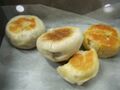 Bakpia pathok
 -
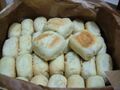 Kue Pia Kacang Hijau


Medical Disclaimer: WikiMD is for informational purposes only and is not a substitute for professional medical advice. Content may be inaccurate or outdated and should not be used for diagnosis or treatment. Always consult your healthcare provider for medical decisions. Verify information with trusted sources such as CDC.gov and NIH.gov. By using this site, you agree that WikiMD is not liable for any outcomes related to its content. See full disclaimer.
Credits:Most images are courtesy of Wikimedia commons, and templates, categories Wikipedia, licensed under CC BY SA or similar.
Translate page: - East Asian
中文,
日本,
한국어,
South Asian
हिन्दी,
தமிழ்,
తెలుగు,
Urdu,
ಕನ್ನಡ,
Southeast Asian
Indonesian,
Vietnamese,
Thai,
မြန်မာဘာသာ,
বাংলা
European
español,
Deutsch,
français,
Greek,
português do Brasil,
polski,
română,
русский,
Nederlands,
norsk,
svenska,
suomi,
Italian
Middle Eastern & African
عربى,
Turkish,
Persian,
Hebrew,
Afrikaans,
isiZulu,
Kiswahili,
Other
Bulgarian,
Hungarian,
Czech,
Swedish,
മലയാളം,
मराठी,
ਪੰਜਾਬੀ,
ગુજરાતી,
Portuguese,
Ukrainian

